Wanderlust Ice & Ink — Travel: Milan, Five Best Places To Visit
"Milan is marvellous, picturesque, and full of elegance."- Wesley Sneijder

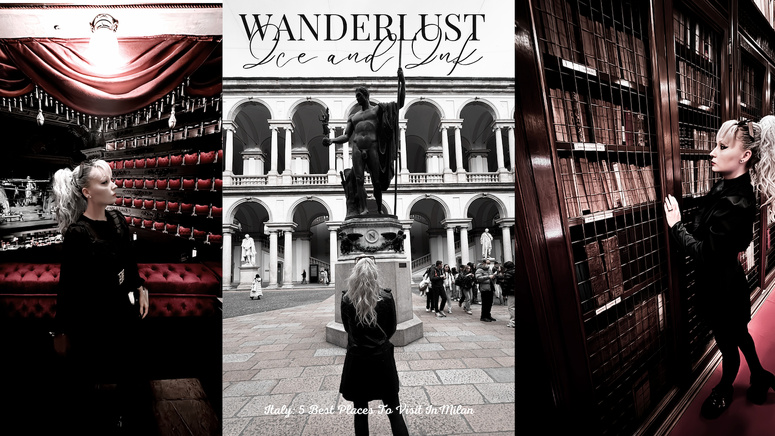
Wanderlust Ice & Ink — Travel: Milan, Five Best Places To Visit . (c) Sarah B

It often begins with a simple walk. Stepping into the streets of Milan, the first impression is one of elegance. The silhouette of the Duomo rises above the city, cafés spill onto lively piazzas, and the refined storefronts of the historic center reflect the city’s reputation for style. For many visitors, Milan immediately evokes fashion, the runways of Fashion Week, the prestigious boutiques of the Quadrilatero della Moda, and the global influence of Italian designers who have shaped contemporary luxury and design. Milan’s influence on contemporary design and luxury culture is undeniable, and its name has become synonymous with refinement, creativity, and Italian elegance. Yet, beyond the polished storefronts and international glamour lies a city whose cultural identity has been shaped over centuries by political power, artistic ambition, and intellectual life. Long before the rise of modern design houses, Milan was already a major cultural center where architecture, art, music, and religious heritage played a central role in shaping the character of the city. From the Roman foundations of Mediolanum to the Renaissance courts of the powerful Visconti and Sforza dynasties, Milan has long stood at the crossroads of European history.
Walking through the city today reveals a remarkable dialogue between past and present. Renaissance palaces stand beside elegant nineteenth-century galleries, Romanesque churches preserve centuries of spiritual history, and legendary theaters continue to host performances that attract audiences from around the world. At the same time, museums and cultural institutions safeguard masterpieces created by some of the most influential artists in European history, reminding visitors that Milan has always been a place where creativity and innovation flourish. What makes Milan particularly fascinating is the way culture is woven into everyday life. Here, history is not confined to museums or monuments. It appears in the rhythm of the streets, in the quiet courtyards hidden behind historic buildings, and in the architectural landmarks that have shaped the identity of the city for generations. Even a simple walk through the city can reveal layers of history, from medieval churches and Renaissance art collections to grand galleries and world-renowned cultural institutions. Exploring Milan therefore means discovering a city where artistic heritage and contemporary life coexist naturally. A walk through its neighborhoods can lead from an intimate artist district to one of the world’s most prestigious opera houses, from a centuries-old basilica to a monumental gallery that has become a symbol of Milanese elegance. Each of these places reflects a different dimension of the city’s identity, illustrating how Milan has evolved across centuries while maintaining a strong connection to its cultural roots. During my time in Milan, several locations stood out as particularly meaningful for understanding the cultural soul of the city. Each of them represents a different chapter of Milan’s history, from artistic communities and religious heritage to musical tradition and architectural grandeur.
Together, they offer a deeper perspective on the city, revealing a Milan that extends far beyond its reputation as a fashion capital. These places remind us that Milan’s true richness lies in its ability to combine art, history, and culture within the fabric of everyday life. Here are five places that help reveal the soul of Milan.
Walking through the city today reveals a remarkable dialogue between past and present. Renaissance palaces stand beside elegant nineteenth-century galleries, Romanesque churches preserve centuries of spiritual history, and legendary theaters continue to host performances that attract audiences from around the world. At the same time, museums and cultural institutions safeguard masterpieces created by some of the most influential artists in European history, reminding visitors that Milan has always been a place where creativity and innovation flourish. What makes Milan particularly fascinating is the way culture is woven into everyday life. Here, history is not confined to museums or monuments. It appears in the rhythm of the streets, in the quiet courtyards hidden behind historic buildings, and in the architectural landmarks that have shaped the identity of the city for generations. Even a simple walk through the city can reveal layers of history, from medieval churches and Renaissance art collections to grand galleries and world-renowned cultural institutions. Exploring Milan therefore means discovering a city where artistic heritage and contemporary life coexist naturally. A walk through its neighborhoods can lead from an intimate artist district to one of the world’s most prestigious opera houses, from a centuries-old basilica to a monumental gallery that has become a symbol of Milanese elegance. Each of these places reflects a different dimension of the city’s identity, illustrating how Milan has evolved across centuries while maintaining a strong connection to its cultural roots. During my time in Milan, several locations stood out as particularly meaningful for understanding the cultural soul of the city. Each of them represents a different chapter of Milan’s history, from artistic communities and religious heritage to musical tradition and architectural grandeur.
Together, they offer a deeper perspective on the city, revealing a Milan that extends far beyond its reputation as a fashion capital. These places remind us that Milan’s true richness lies in its ability to combine art, history, and culture within the fabric of everyday life. Here are five places that help reveal the soul of Milan.
 Milan Best Place .mp3 (2.24 Mo)
1 — Brera: The Artistic Heart of Milan

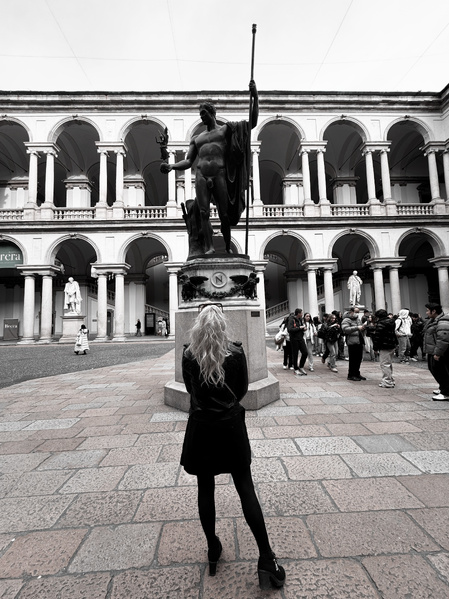
Among the many neighborhoods that shape Milan’s cultural identity, Brera stands out as one of the most distinctive. Often described as the artistic heart of the city, this historic district has long been associated with creativity, intellectual life, and artistic exchange. While Milan is frequently perceived through the lens of fashion and design, Brera reveals another dimension of the city — one rooted in artistic tradition, scholarship, and cultural dialogue that has evolved over centuries. Walking through Brera feels noticeably different from the rest of Milan. The rhythm of the district is slower, almost contemplative. Narrow cobblestone streets wind between elegant historic buildings, small galleries appear unexpectedly around quiet corners, and cafés spill onto intimate piazzas where conversations unfold slowly over espresso. Flower-covered balconies overlook the streets, antique shops sit beside contemporary design boutiques, and the atmosphere carries a subtle bohemian charm rarely found in other parts of the city. It is a neighborhood where the past seems to remain present, creating an environment that invites wandering and observation. Brera’s cultural importance began to take shape in the eighteenth century when the Academy of Fine Arts of Brera was established under Austrian rule in 1776. The Austrian administration sought to transform Milan into a major intellectual and artistic center of the empire, and the academy became a key institution in this ambition. Over time, it developed into one of the most prestigious art schools in Italy, attracting generations of painters, sculptors, architects, and thinkers who would contribute significantly to the artistic life of the country. The district gradually evolved into a hub for artistic production and intellectual discussion. Students and professors from the academy shaped the cultural atmosphere of the surrounding streets, transforming Brera into what many considered Milan’s closest equivalent to a bohemian quarter. Writers, philosophers, and artists gathered in its cafés and salons, exchanging ideas and debating artistic movements that influenced Italian culture during the eighteenth and nineteenth centuries.
The Masterpieces of Brera

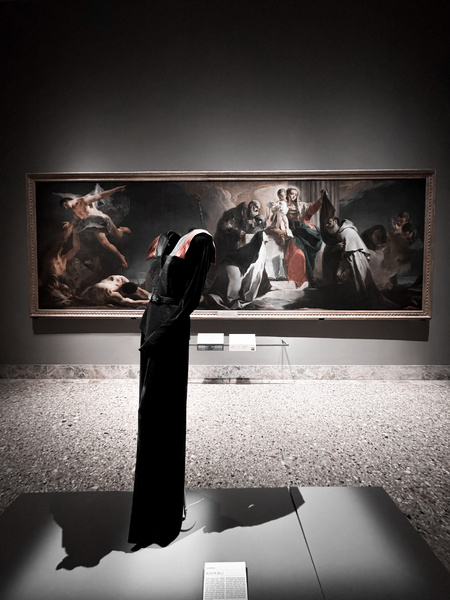
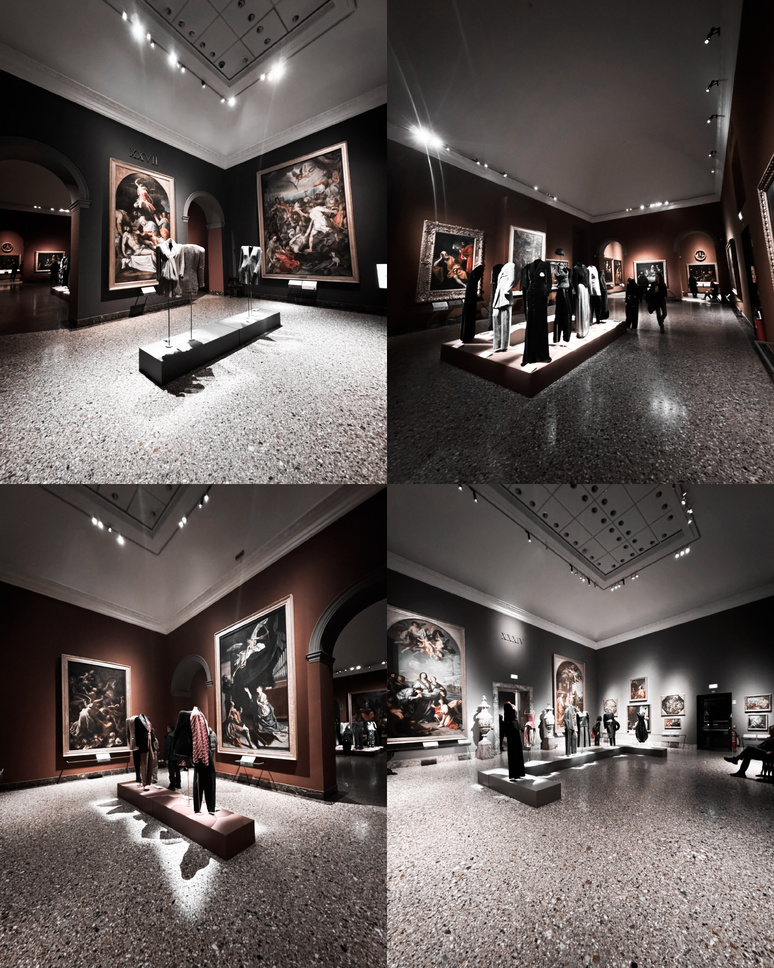
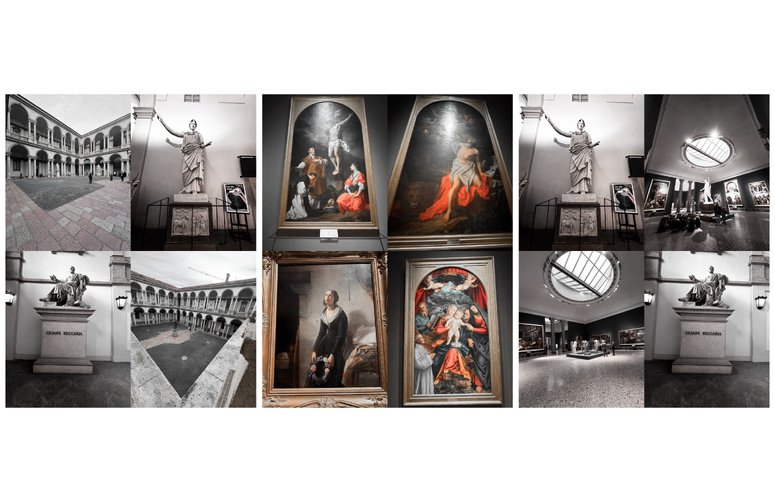
The cultural importance of Brera grew even further during the Napoleonic period. When Napoleon Bonaparte became King of Italy in 1805, Milan was transformed into one of the political and cultural capitals of his Italian kingdom. Napoleon believed strongly in the power of art as a symbol of political prestige and national identity, and he sought to create major cultural institutions that could rival those of Paris. Under his rule, the Palazzo di Brera was reorganized into a vast cultural complex bringing together the Academy of Fine Arts, scientific institutions, and an important art gallery. The Pinacoteca di Brera was officially established in 1809 with the ambition of creating a museum that would celebrate the great schools of Italian painting. Many of the masterpieces displayed in the museum today arrived during this period, when works of art from churches and religious institutions across northern Italy were transferred to Brera following Napoleonic reforms. In this way, the museum gradually became one of the most important collections of Italian painting in the country. Napoleon’s influence remains visible today in the courtyard of the palace, where a monumental statue depicts him as Napoleon as Mars the Peacemaker, crowned in classical Roman style. The statue reflects the emperor’s fascination with antiquity and his desire to present himself as both a political leader and a patron of the arts. Among its most famous masterpieces is Andrea Mantegna’s Lamentation over the Dead Christ, painted around 1480. The work is remarkable for its dramatic perspective and emotional intensity. Christ’s body is depicted from a striking foreshortened angle, creating a powerful sense of realism and intimacy. The Virgin Mary and Saint John appear beside him in grief, making the scene both deeply human and profoundly spiritual. This painting is widely considered one of the most innovative works of the Italian Renaissance. Another highlight of the collection is Raphael’s The Marriage of the Virgin, painted in 1504 when the artist was still very young. The painting represents the marriage of Mary and Joseph before a magnificent Renaissance temple. Raphael’s mastery of perspective, symmetry, and balance is already visible here, announcing the artistic harmony that would later define his greatest works. Visitors can also admire Caravaggio’s Supper at Emmaus, a dramatic Baroque interpretation of the biblical moment when Christ reveals himself to two disciples after the Resurrection. Caravaggio’s use of light and shadow, known as chiaroscuro, creates an intense theatrical atmosphere that draws the viewer directly into the scene. The museum also houses works by Piero della Francesca, Giovanni Bellini, and Tintoretto, offering a remarkable panorama of Italian painting across several centuries. Each gallery reveals how artists experimented with perspective, light, emotion, and religious symbolism, shaping the visual language of European art.
Together, these masterpieces transform the Pinacoteca di Brera into far more than a museum. It becomes a journey through the history of artistic innovation, where visitors can witness the evolution of painting from the harmony of the Renaissance to the dramatic intensity of the Baroque. Yet Brera’s charm extends far beyond the walls of its museums. The district itself feels like an open-air cultural space where art, history, and daily life intersect. Bookshops specializing in art and literature sit beside contemporary galleries, while small studios continue to attract designers, illustrators, and young creatives who contribute to the district’s evolving artistic identity. The neighborhood’s elegant architecture and pedestrian-friendly streets encourage visitors to explore slowly, discovering hidden courtyards, historic buildings, and quiet squares along the way.
Together, these masterpieces transform the Pinacoteca di Brera into far more than a museum. It becomes a journey through the history of artistic innovation, where visitors can witness the evolution of painting from the harmony of the Renaissance to the dramatic intensity of the Baroque. Yet Brera’s charm extends far beyond the walls of its museums. The district itself feels like an open-air cultural space where art, history, and daily life intersect. Bookshops specializing in art and literature sit beside contemporary galleries, while small studios continue to attract designers, illustrators, and young creatives who contribute to the district’s evolving artistic identity. The neighborhood’s elegant architecture and pedestrian-friendly streets encourage visitors to explore slowly, discovering hidden courtyards, historic buildings, and quiet squares along the way.


2 — Pinacoteca Ambrosiana: A Renaissance Treasure in the Heart of Milan

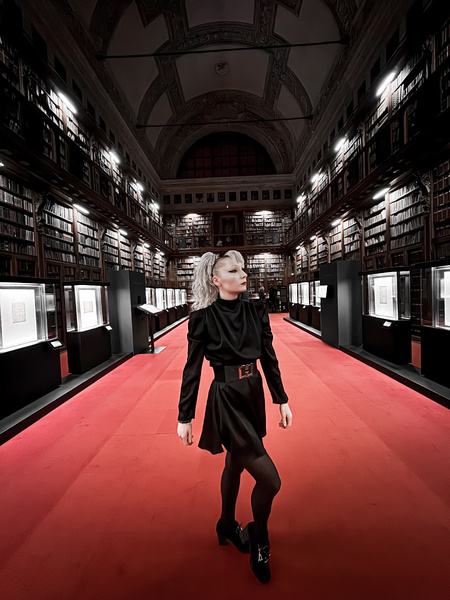
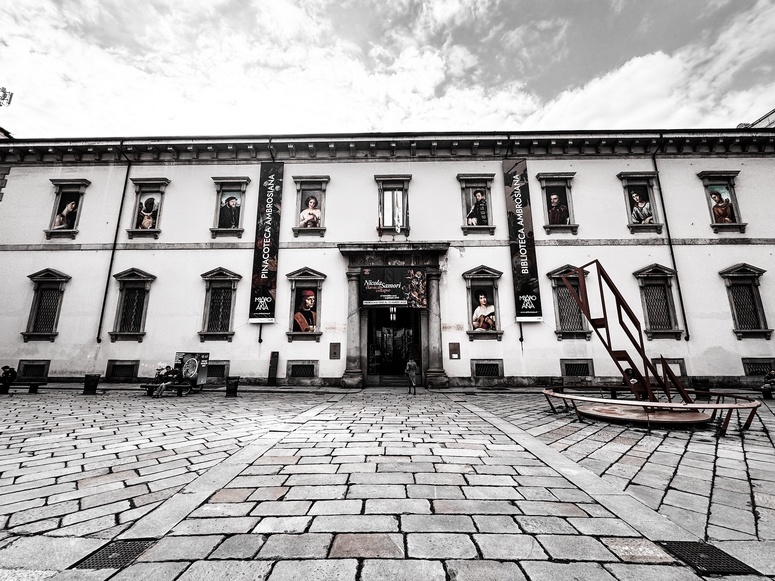
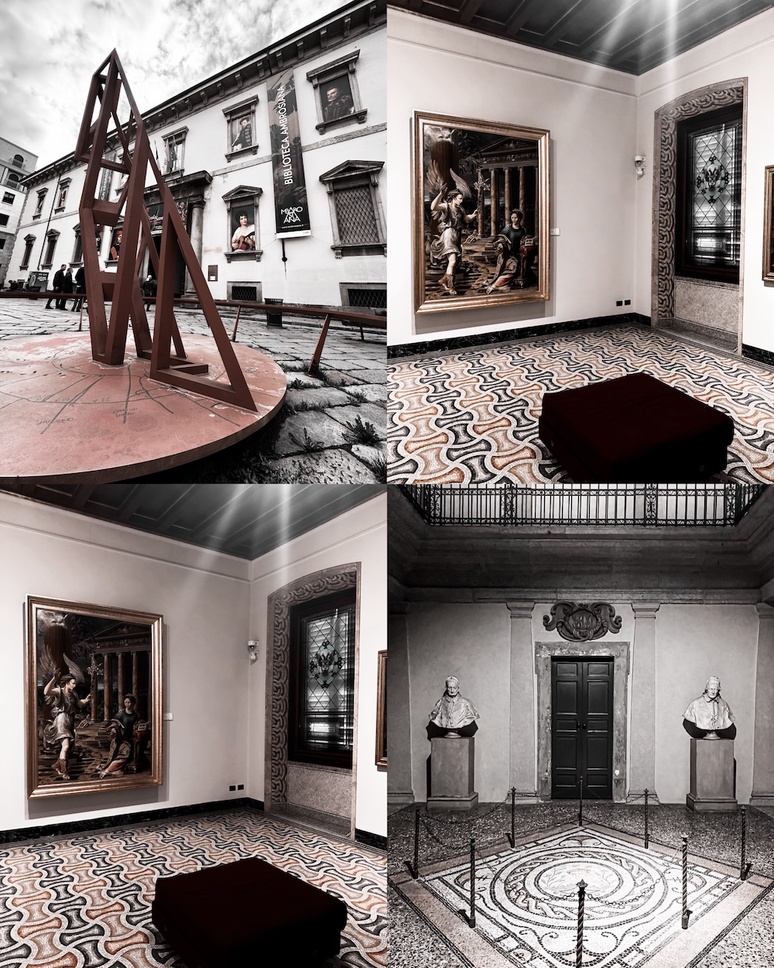
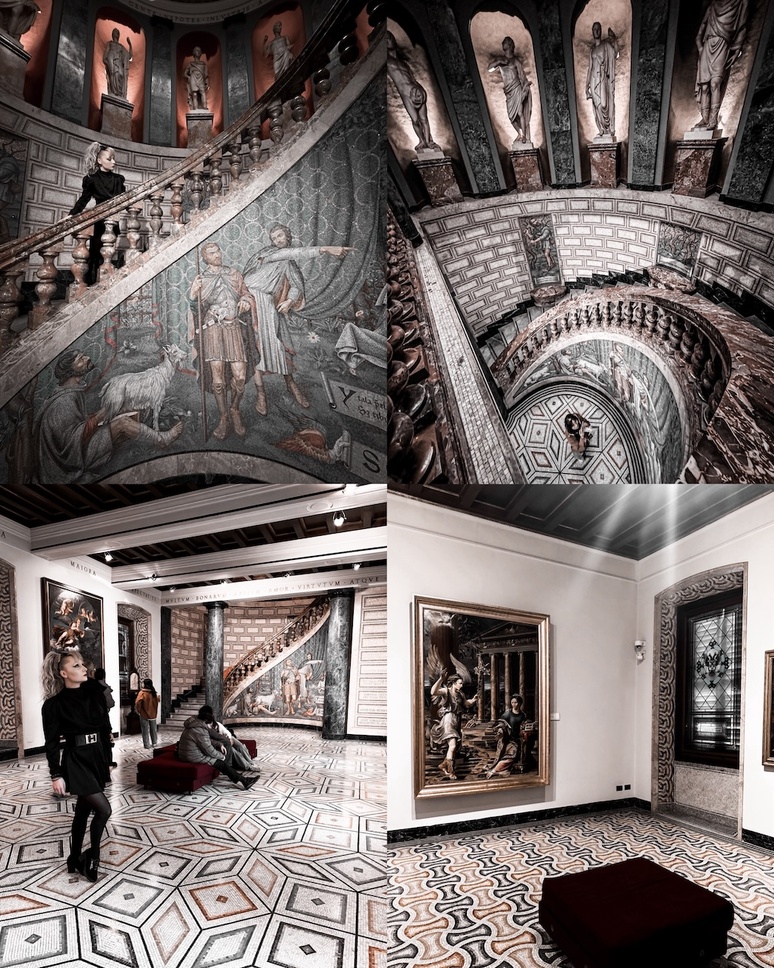
While the Pinacoteca di Brera reflects the grandeur of Italian painting through monumental masterpieces, another institution in Milan offers a more intimate yet equally fascinating journey into the intellectual and artistic world of the Renaissance: the Pinacoteca Ambrosiana. Located in the historic center of the city, only a short walk from the Duomo, the Ambrosiana is one of Milan’s oldest and most remarkable cultural institutions. It was founded in 1618 by Cardinal Federico Borromeo, a deeply educated humanist and passionate patron of the arts who believed that culture and knowledge should be preserved and shared with society. Borromeo envisioned the Ambrosiana as much more than a simple art collection. Inspired by the ideals of the Renaissance and the humanist tradition, he created a vast cultural complex that included a library, a painting gallery, and an academy dedicated to artistic training. At the time, this vision was remarkably progressive. In an era when most great collections remained private, Borromeo sought to open the doors of knowledge to scholars, artists, and students.
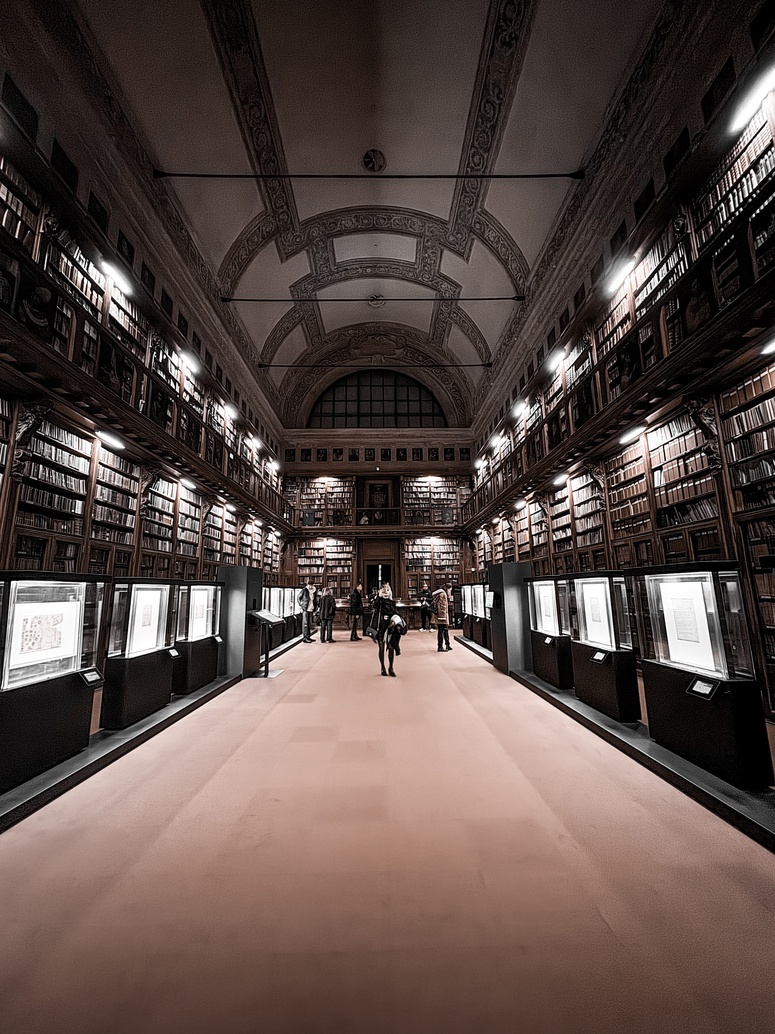
The Biblioteca Ambrosiana, which accompanies the museum, quickly became one of the most important libraries in Europe. Its collections included thousands of manuscripts, rare books, and historical documents covering fields such as philosophy, theology, literature, science, and history. Scholars from across the continent traveled to Milan to consult its archives, transforming the Ambrosiana into a major center of intellectual exchange. Alongside this remarkable library, the Pinacoteca Ambrosiana gradually assembled a collection of paintings that reflected Borromeo’s admiration for the great masters of Italian art. Unlike larger museums organized around monumental galleries, the Ambrosiana offers a more intimate experience. Visitors move through elegant rooms where paintings, manuscripts, sculptures, and objects of curiosity coexist, creating the feeling of entering a Renaissance cabinet of knowledge. Among the museum’s most celebrated works is Leonardo da Vinci’s Portrait of a Musician. Painted around the 1480s, the portrait is one of the very few surviving portraits by Leonardo. The young man’s thoughtful expression and the subtle modeling of light on his face reveal Leonardo’s extraordinary ability to capture psychological depth. The painting also reflects Milan’s importance as a cultural center during the Renaissance, when Leonardo worked at the court of Ludovico Sforza, Duke of Milan.
Another remarkable masterpiece in the collection is Caravaggio’s Basket of Fruit. At first glance, the painting appears deceptively simple: a basket filled with grapes, apples, and leaves. Yet Caravaggio transforms this humble subject into a meditation on realism and imperfection. The fruits are slightly bruised, the leaves begin to wilt, and the entire composition subtly evokes the fleeting nature of life. This attention to natural detail was revolutionary at the time and helped redefine the possibilities of painting in the Baroque period. Perhaps the most extraordinary treasure of the Ambrosiana, however, is the Codex Atlanticus, the largest collection of drawings and writings by Leonardo da Vinci. This immense archive contains more than a thousand pages of sketches, scientific notes, mechanical designs, and visionary ideas. Within these pages appear studies of flying machines, hydraulic systems, military engineering, architecture, anatomy, and mathematical theories. The Codex reveals the astonishing breadth of Leonardo’s curiosity. Far from being limited to painting, his mind moved constantly between art and science, imagination and observation. Many of his concepts would not become technically feasible until centuries later. Walking through the Ambrosiana therefore offers more than a simple museum visit. It is an immersion into the intellectual world of the Renaissance, a period when artists, philosophers, and scientists believed that knowledge could illuminate every aspect of human life. In this sense, the Ambrosiana reflects a fundamental dimension of Milan’s identity. The city has long been a place where artistic creativity and intellectual curiosity meet, shaping a cultural landscape that continues to influence Europe today.
The Biblioteca Ambrosiana, which accompanies the museum, quickly became one of the most important libraries in Europe. Its collections included thousands of manuscripts, rare books, and historical documents covering fields such as philosophy, theology, literature, science, and history. Scholars from across the continent traveled to Milan to consult its archives, transforming the Ambrosiana into a major center of intellectual exchange. Alongside this remarkable library, the Pinacoteca Ambrosiana gradually assembled a collection of paintings that reflected Borromeo’s admiration for the great masters of Italian art. Unlike larger museums organized around monumental galleries, the Ambrosiana offers a more intimate experience. Visitors move through elegant rooms where paintings, manuscripts, sculptures, and objects of curiosity coexist, creating the feeling of entering a Renaissance cabinet of knowledge. Among the museum’s most celebrated works is Leonardo da Vinci’s Portrait of a Musician. Painted around the 1480s, the portrait is one of the very few surviving portraits by Leonardo. The young man’s thoughtful expression and the subtle modeling of light on his face reveal Leonardo’s extraordinary ability to capture psychological depth. The painting also reflects Milan’s importance as a cultural center during the Renaissance, when Leonardo worked at the court of Ludovico Sforza, Duke of Milan.
Another remarkable masterpiece in the collection is Caravaggio’s Basket of Fruit. At first glance, the painting appears deceptively simple: a basket filled with grapes, apples, and leaves. Yet Caravaggio transforms this humble subject into a meditation on realism and imperfection. The fruits are slightly bruised, the leaves begin to wilt, and the entire composition subtly evokes the fleeting nature of life. This attention to natural detail was revolutionary at the time and helped redefine the possibilities of painting in the Baroque period. Perhaps the most extraordinary treasure of the Ambrosiana, however, is the Codex Atlanticus, the largest collection of drawings and writings by Leonardo da Vinci. This immense archive contains more than a thousand pages of sketches, scientific notes, mechanical designs, and visionary ideas. Within these pages appear studies of flying machines, hydraulic systems, military engineering, architecture, anatomy, and mathematical theories. The Codex reveals the astonishing breadth of Leonardo’s curiosity. Far from being limited to painting, his mind moved constantly between art and science, imagination and observation. Many of his concepts would not become technically feasible until centuries later. Walking through the Ambrosiana therefore offers more than a simple museum visit. It is an immersion into the intellectual world of the Renaissance, a period when artists, philosophers, and scientists believed that knowledge could illuminate every aspect of human life. In this sense, the Ambrosiana reflects a fundamental dimension of Milan’s identity. The city has long been a place where artistic creativity and intellectual curiosity meet, shaping a cultural landscape that continues to influence Europe today.




3 — Basilica di Sant’Ambrogio: The Spiritual Origins of Milan

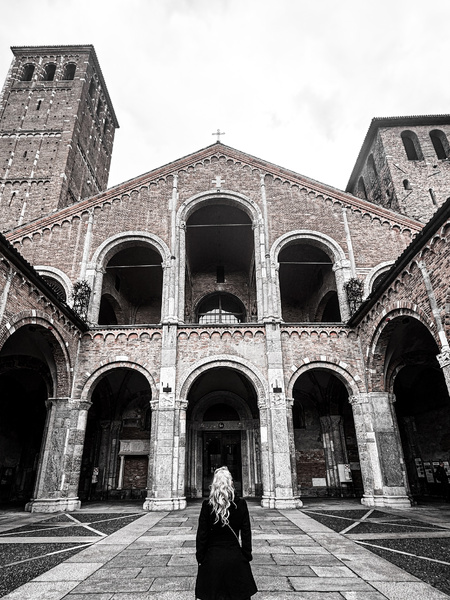
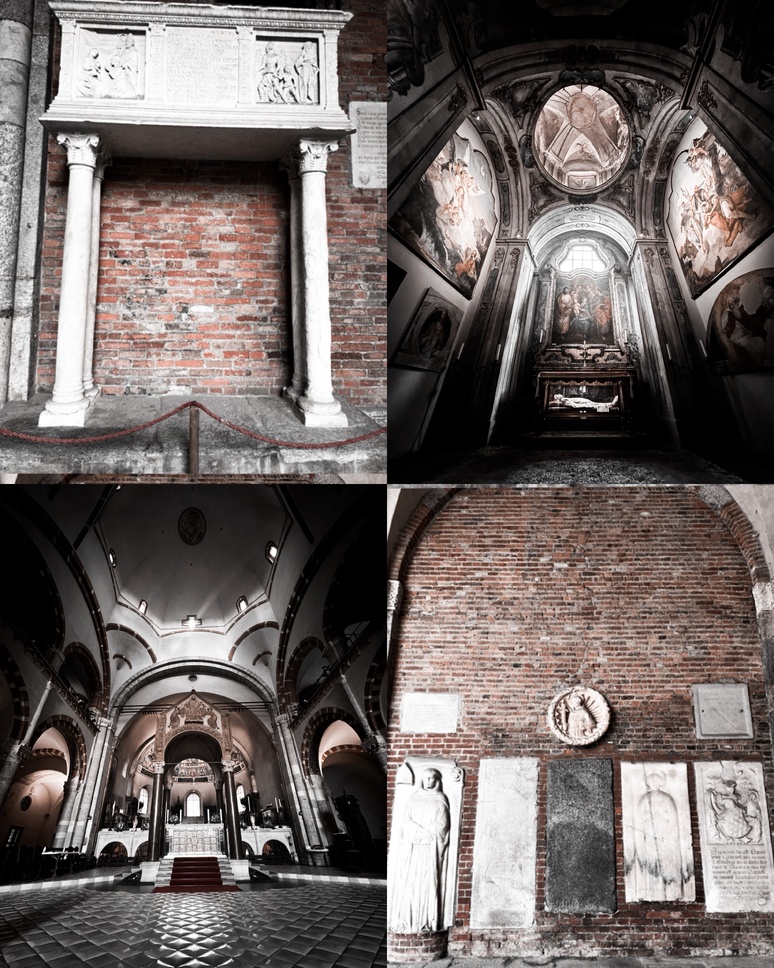
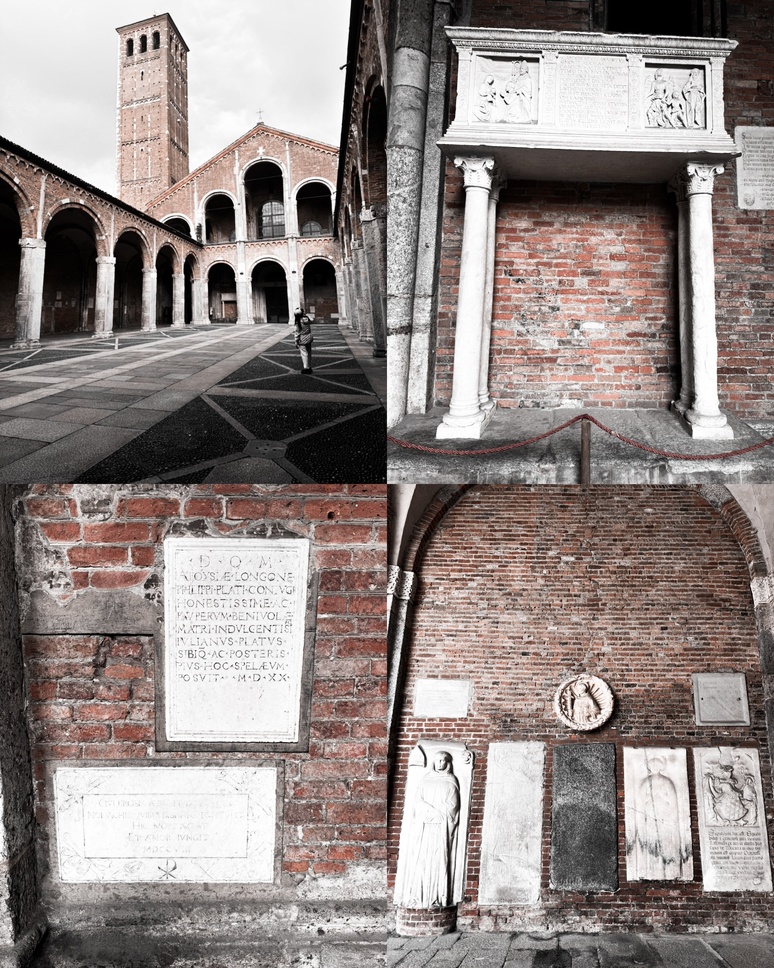
Among Milan’s many historic landmarks, few places reveal the deep roots of the city’s identity as clearly as the Basilica di Sant’Ambrogio. Located a short distance from the modern center, this ancient church stands as one of the most important religious sites in the city and one of the finest examples of Romanesque architecture in northern Italy. The history of the basilica begins in the fourth century, during a period when Christianity was still establishing itself across the Roman world. The church was founded by Saint Ambrose, the influential bishop of Milan who would later become the city’s patron saint and one of the most important figures of early Christianity in Western Europe.
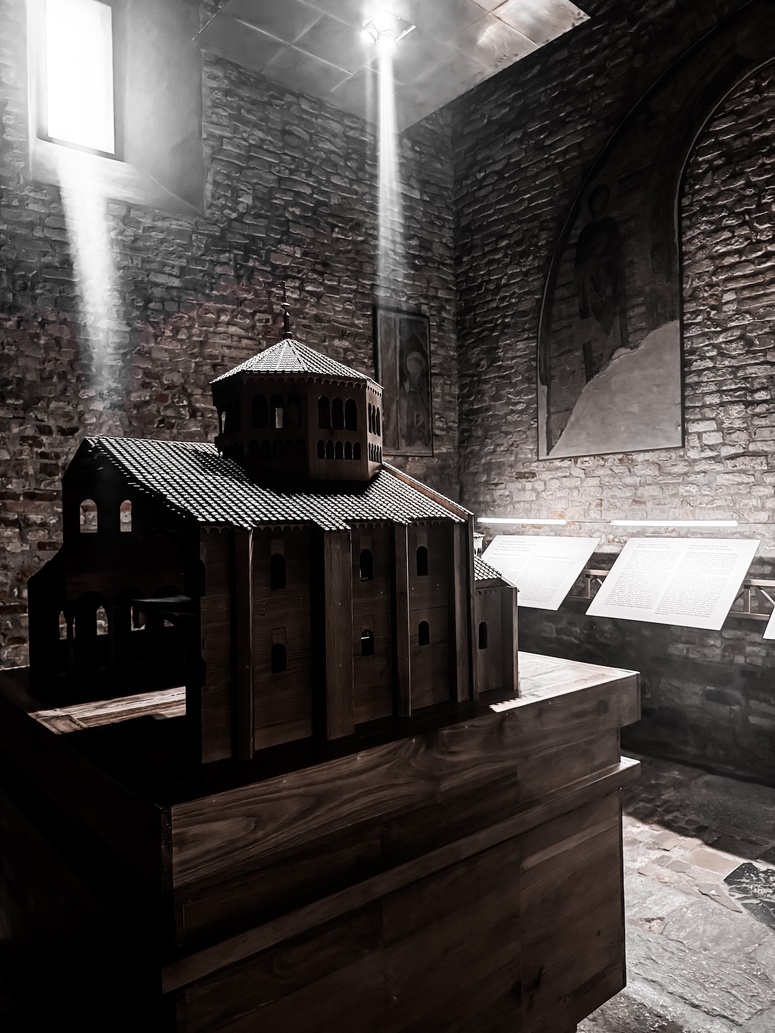
Ambrose was not only a religious leader but also a powerful intellectual and political figure. As bishop of Milan, he played a decisive role in shaping the spiritual life of the Roman Empire during a time of profound transformation. His writings, sermons, and theological reflections helped define Christian doctrine and influenced generations of thinkers throughout the Middle Ages. The original church built by Ambrose was designed as a place where the faithful could gather to honor the Christian martyrs whose relics were preserved there. Over the centuries, the structure evolved, and the present basilica largely dates from the eleventh and twelfth centuries, when it was rebuilt in the Romanesque style that defines its appearance today. Unlike the ornate Gothic splendor of the Duomo, Sant’Ambrogio is characterized by a sense of architectural harmony and simplicity. Its red-brick façade, elegant arcades, and peaceful courtyard create an atmosphere that feels both solemn and timeless. The wide atrium at the entrance, once used for gatherings and religious instruction, remains one of the most distinctive features of the building. Inside the basilica, visitors encounter a remarkable collection of religious art and historical treasures. One of the most important elements is the Golden Altar, a masterpiece of medieval goldsmith work created in the ninth century. Decorated with intricate scenes from the life of Christ and Saint Ambrose, the altar reflects the artistic refinement of early medieval craftsmanship.
The basilica also preserves the relics of Saint Ambrose, along with those of the martyrs Gervasius and Protasius, whose remains were discovered by Ambrose himself according to tradition. Their presence reinforces the church’s spiritual importance and its deep connection to the history of Christianity in Milan. Yet beyond its architectural beauty and historical significance, Sant’Ambrogio represents something deeper. It is a place where the origins of Milan’s identity as a religious and intellectual center can still be felt. For centuries, this basilica has stood as a symbol of the city’s spiritual heritage, reminding visitors that long before Milan became a capital of fashion or finance, it was already a center of faith, thought, and cultural influence.
Ambrose was not only a religious leader but also a powerful intellectual and political figure. As bishop of Milan, he played a decisive role in shaping the spiritual life of the Roman Empire during a time of profound transformation. His writings, sermons, and theological reflections helped define Christian doctrine and influenced generations of thinkers throughout the Middle Ages. The original church built by Ambrose was designed as a place where the faithful could gather to honor the Christian martyrs whose relics were preserved there. Over the centuries, the structure evolved, and the present basilica largely dates from the eleventh and twelfth centuries, when it was rebuilt in the Romanesque style that defines its appearance today. Unlike the ornate Gothic splendor of the Duomo, Sant’Ambrogio is characterized by a sense of architectural harmony and simplicity. Its red-brick façade, elegant arcades, and peaceful courtyard create an atmosphere that feels both solemn and timeless. The wide atrium at the entrance, once used for gatherings and religious instruction, remains one of the most distinctive features of the building. Inside the basilica, visitors encounter a remarkable collection of religious art and historical treasures. One of the most important elements is the Golden Altar, a masterpiece of medieval goldsmith work created in the ninth century. Decorated with intricate scenes from the life of Christ and Saint Ambrose, the altar reflects the artistic refinement of early medieval craftsmanship.
The basilica also preserves the relics of Saint Ambrose, along with those of the martyrs Gervasius and Protasius, whose remains were discovered by Ambrose himself according to tradition. Their presence reinforces the church’s spiritual importance and its deep connection to the history of Christianity in Milan. Yet beyond its architectural beauty and historical significance, Sant’Ambrogio represents something deeper. It is a place where the origins of Milan’s identity as a religious and intellectual center can still be felt. For centuries, this basilica has stood as a symbol of the city’s spiritual heritage, reminding visitors that long before Milan became a capital of fashion or finance, it was already a center of faith, thought, and cultural influence.



4 — Teatro alla Scala: The Temple of Italian Opera

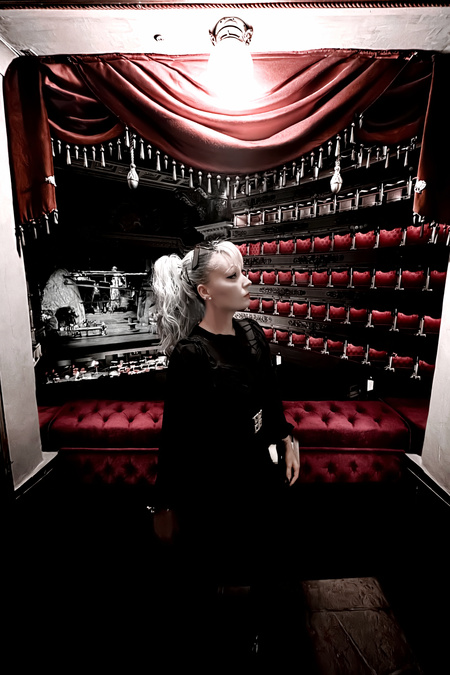
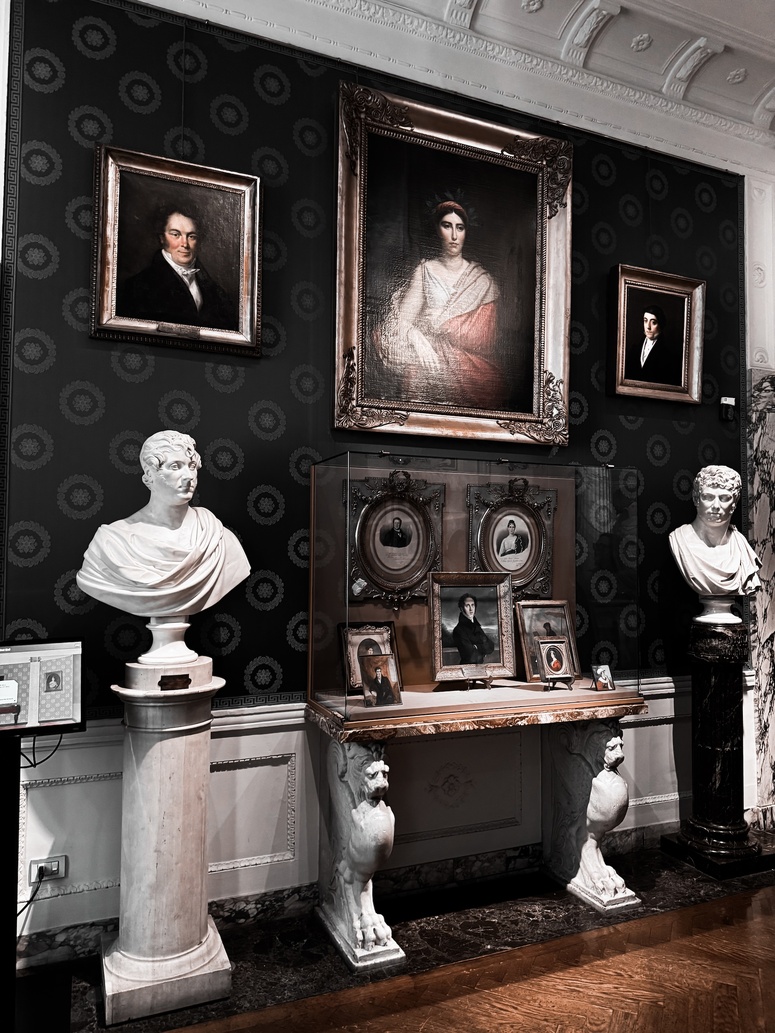
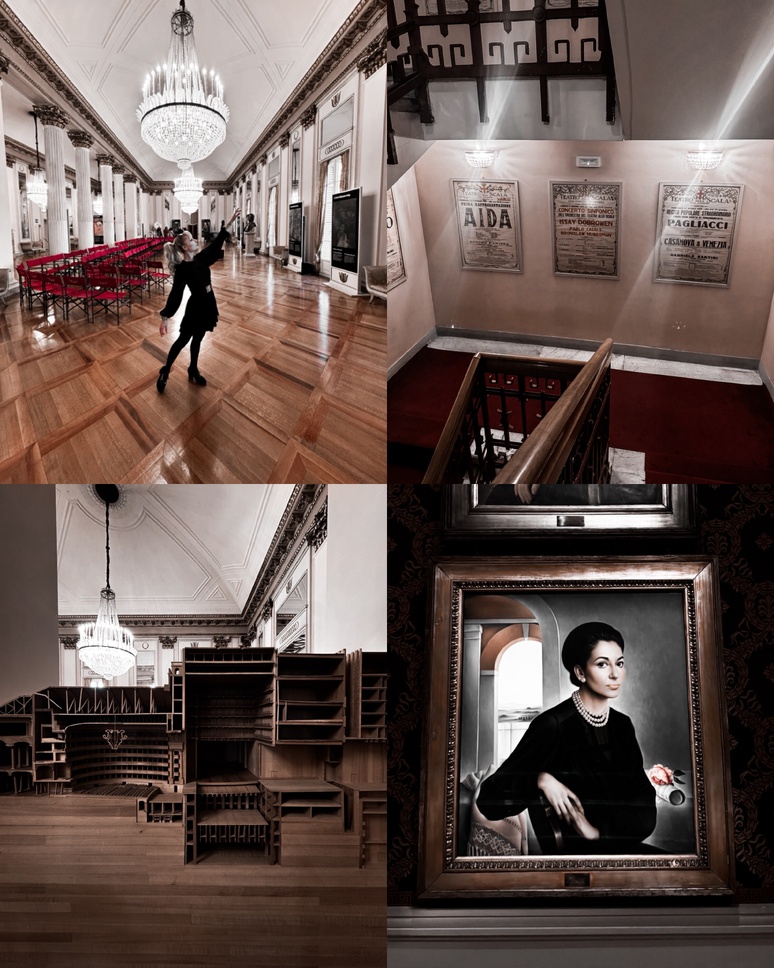
Few cultural institutions are as closely associated with Milan as Teatro alla Scala, one of the most famous opera houses in the world. For more than two centuries, this legendary theater has stood at the center of Italy’s musical life, attracting composers, conductors, and singers whose work would shape the history of opera. The theater opened in 1778, during a period when Milan was under Austrian rule. It was commissioned by Empress Maria Theresa of Austria after the previous royal theater had been destroyed by fire. Designed by the architect Giuseppe Piermarini, the new opera house quickly became one of the most prestigious cultural venues in Europe. From its earliest years, La Scala was not simply a place of entertainment but a symbol of artistic excellence. The theater became the stage where new operas were introduced to the world and where audiences gathered to witness the evolution of Italian music.
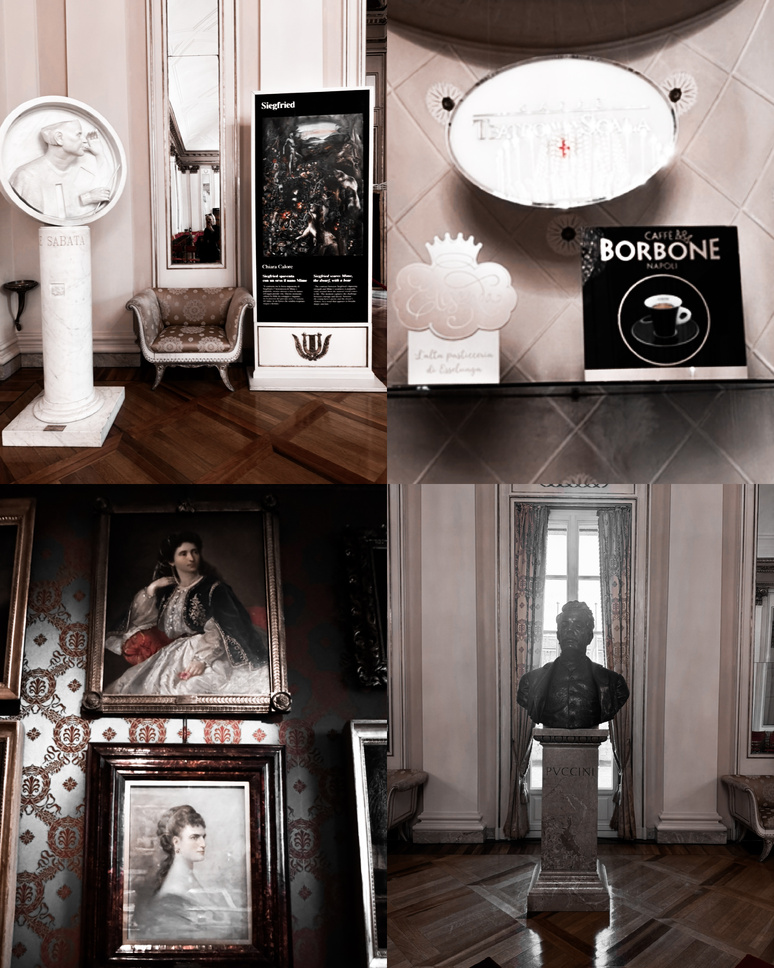
Among the composers most closely associated with La Scala is Giuseppe Verdi, one of the greatest figures in the history of opera. Verdi’s relationship with Milan and La Scala is both dramatic and deeply symbolic of his extraordinary career. In 1839, a young and relatively unknown Verdi premiered his first opera, Oberto, at La Scala. The performance was successful and marked the beginning of what seemed to be a promising musical career. Yet only a few years later, Verdi experienced a devastating personal tragedy. Within a short period of time, he lost both of his children and his wife. Overwhelmed by grief, the composer fell into despair and seriously considered abandoning music altogether. At that moment, La Scala once again played a decisive role in his life. The theater’s impresario, Bartolomeo Merelli, encouraged Verdi to continue composing and persuaded him to write a new opera. The result was Nabucco, which premiered at La Scala in 1842. The opera became an immediate and extraordinary success. Its famous chorus, Va, pensiero, sung by the Hebrew slaves longing for their homeland, deeply resonated with audiences. For many Italians living under foreign rule at the time, the music symbolized the growing desire for national unity and freedom. The opera transformed Verdi into one of the most celebrated composers of his generation and established La Scala as the stage where his genius would flourish. Over the decades, many of Verdi’s greatest works were performed at La Scala, strengthening the theater’s reputation as the epicenter of Italian opera. The venue later welcomed other legendary composers such as Rossini, Donizetti, and Puccini, as well as some of the greatest singers in operatic history.
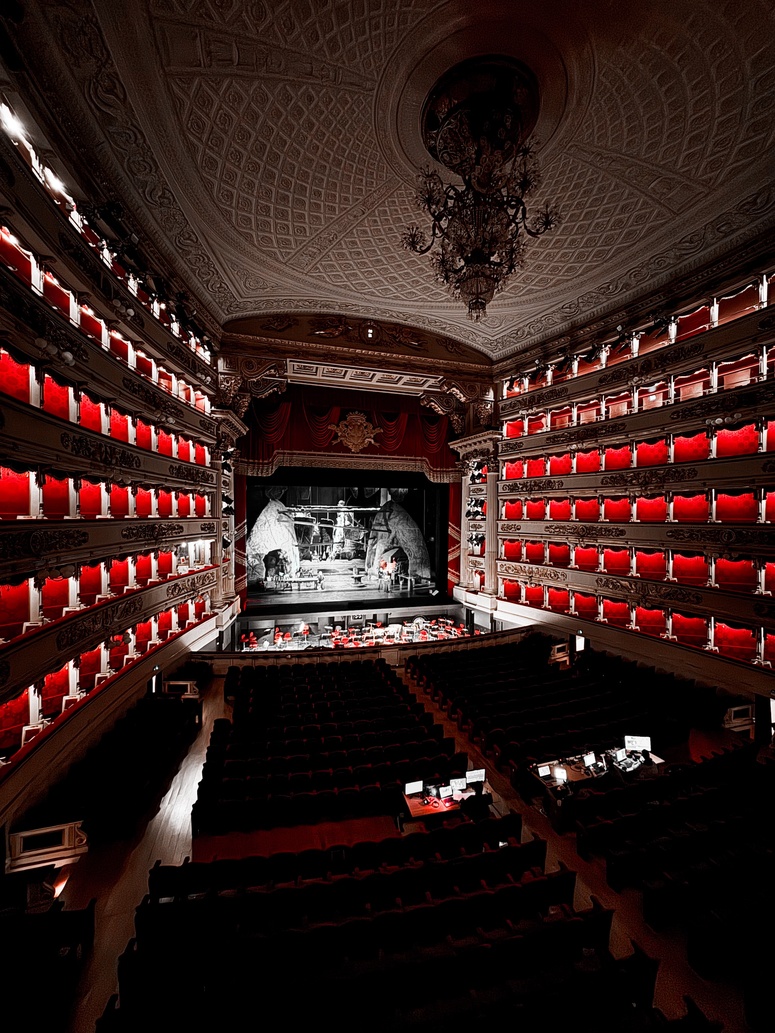
Today, Teatro alla Scala remains one of the most prestigious opera houses in the world. Its elegant auditorium, with its famous red velvet seats and golden balconies, continues to host performances that attract audiences from across the globe. La Scala indeed represents the musical soul of Milan, a place where artistic passion, national history, and cultural tradition have come together for generations. For visitors seeking to understand the cultural identity of the city, stepping into La Scala means entering one of the great temples of European music.
Maria Callas
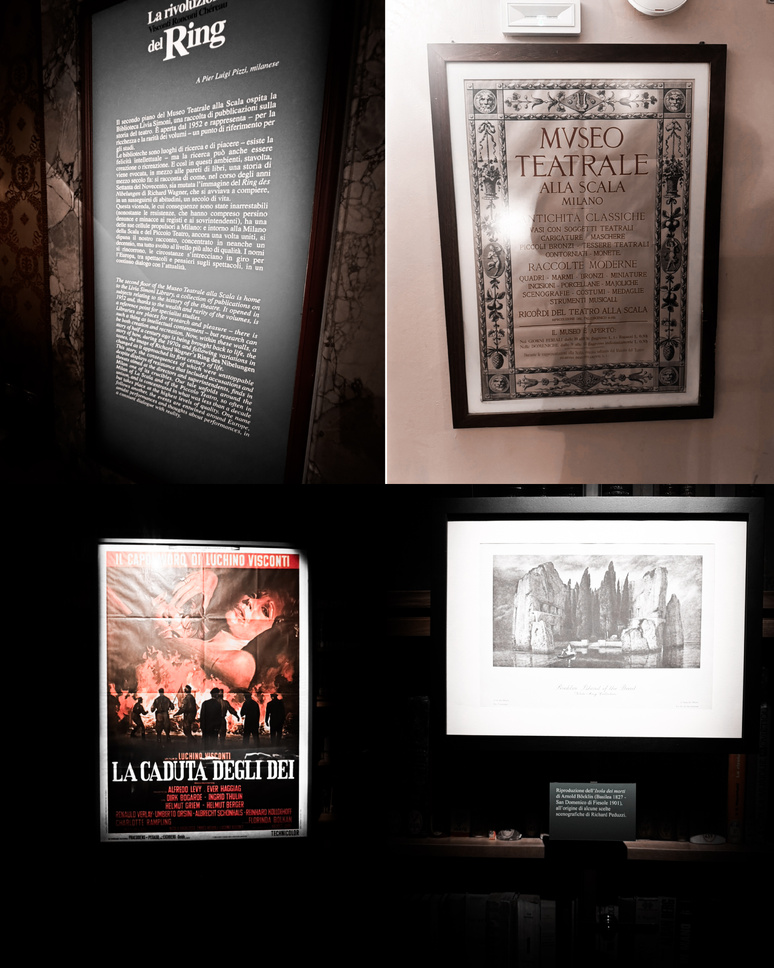
One of the most legendary figures ever associated with Teatro alla Scala is undoubtedly the soprano Maria Callas, whose career became deeply intertwined with the history of the theater during the twentieth century. Callas first appeared at La Scala in the early 1950s, at a time when the theater was rebuilding its international prestige after the disruptions of the Second World War. Although she had already begun attracting attention in Italy, her arrival in Milan would mark a turning point in her career and in the history of modern opera. One of the most famous moments that contributed to her legend occurred in 1952, when she was asked to step in as a replacement for another soprano during a performance. Despite having had little time to prepare, Callas accepted the challenge and delivered a performance that astonished audiences and critics alike. Her extraordinary vocal range, dramatic intensity, and commanding stage presence immediately set her apart from other singers of her generation. Unlike many traditional opera performers of the time, Callas approached each role not only as a vocal challenge but also as a dramatic interpretation. She treated opera as true theater, combining powerful singing with a deep emotional understanding of the characters she portrayed. This approach transformed the audience’s experience and helped redefine what opera performance could be. At La Scala, Callas became particularly celebrated for her interpretations of Bellini, Donizetti, and Verdi, bringing renewed attention to the bel canto repertoire. Her performances were often electrifying, and the theater became the stage where her artistic personality fully emerged. Under the direction of conductor Arturo Toscanini’s successors and later alongside stage director Luchino Visconti, Callas helped elevate opera productions at La Scala to a new level of dramatic realism and artistic sophistication. Productions such as La Traviata and Norma became legendary and contributed to the revival of several nineteenth-century operas. Over time, Maria Callas became inseparable from the identity of La Scala itself. Her performances attracted international audiences, critics, and music lovers who traveled to Milan to witness what many considered one of the greatest opera voices of the century. Today, her legacy remains deeply connected to the history of the theater. Maria Callas did not simply perform at La Scala — she helped redefine its artistic prestige and left an enduring mark on the world of opera.
Among the composers most closely associated with La Scala is Giuseppe Verdi, one of the greatest figures in the history of opera. Verdi’s relationship with Milan and La Scala is both dramatic and deeply symbolic of his extraordinary career. In 1839, a young and relatively unknown Verdi premiered his first opera, Oberto, at La Scala. The performance was successful and marked the beginning of what seemed to be a promising musical career. Yet only a few years later, Verdi experienced a devastating personal tragedy. Within a short period of time, he lost both of his children and his wife. Overwhelmed by grief, the composer fell into despair and seriously considered abandoning music altogether. At that moment, La Scala once again played a decisive role in his life. The theater’s impresario, Bartolomeo Merelli, encouraged Verdi to continue composing and persuaded him to write a new opera. The result was Nabucco, which premiered at La Scala in 1842. The opera became an immediate and extraordinary success. Its famous chorus, Va, pensiero, sung by the Hebrew slaves longing for their homeland, deeply resonated with audiences. For many Italians living under foreign rule at the time, the music symbolized the growing desire for national unity and freedom. The opera transformed Verdi into one of the most celebrated composers of his generation and established La Scala as the stage where his genius would flourish. Over the decades, many of Verdi’s greatest works were performed at La Scala, strengthening the theater’s reputation as the epicenter of Italian opera. The venue later welcomed other legendary composers such as Rossini, Donizetti, and Puccini, as well as some of the greatest singers in operatic history.
Today, Teatro alla Scala remains one of the most prestigious opera houses in the world. Its elegant auditorium, with its famous red velvet seats and golden balconies, continues to host performances that attract audiences from across the globe. La Scala indeed represents the musical soul of Milan, a place where artistic passion, national history, and cultural tradition have come together for generations. For visitors seeking to understand the cultural identity of the city, stepping into La Scala means entering one of the great temples of European music.
Maria Callas
One of the most legendary figures ever associated with Teatro alla Scala is undoubtedly the soprano Maria Callas, whose career became deeply intertwined with the history of the theater during the twentieth century. Callas first appeared at La Scala in the early 1950s, at a time when the theater was rebuilding its international prestige after the disruptions of the Second World War. Although she had already begun attracting attention in Italy, her arrival in Milan would mark a turning point in her career and in the history of modern opera. One of the most famous moments that contributed to her legend occurred in 1952, when she was asked to step in as a replacement for another soprano during a performance. Despite having had little time to prepare, Callas accepted the challenge and delivered a performance that astonished audiences and critics alike. Her extraordinary vocal range, dramatic intensity, and commanding stage presence immediately set her apart from other singers of her generation. Unlike many traditional opera performers of the time, Callas approached each role not only as a vocal challenge but also as a dramatic interpretation. She treated opera as true theater, combining powerful singing with a deep emotional understanding of the characters she portrayed. This approach transformed the audience’s experience and helped redefine what opera performance could be. At La Scala, Callas became particularly celebrated for her interpretations of Bellini, Donizetti, and Verdi, bringing renewed attention to the bel canto repertoire. Her performances were often electrifying, and the theater became the stage where her artistic personality fully emerged. Under the direction of conductor Arturo Toscanini’s successors and later alongside stage director Luchino Visconti, Callas helped elevate opera productions at La Scala to a new level of dramatic realism and artistic sophistication. Productions such as La Traviata and Norma became legendary and contributed to the revival of several nineteenth-century operas. Over time, Maria Callas became inseparable from the identity of La Scala itself. Her performances attracted international audiences, critics, and music lovers who traveled to Milan to witness what many considered one of the greatest opera voices of the century. Today, her legacy remains deeply connected to the history of the theater. Maria Callas did not simply perform at La Scala — she helped redefine its artistic prestige and left an enduring mark on the world of opera.





5 — Galleria Vittorio Emanuele II: Milan’s Elegant Living Room

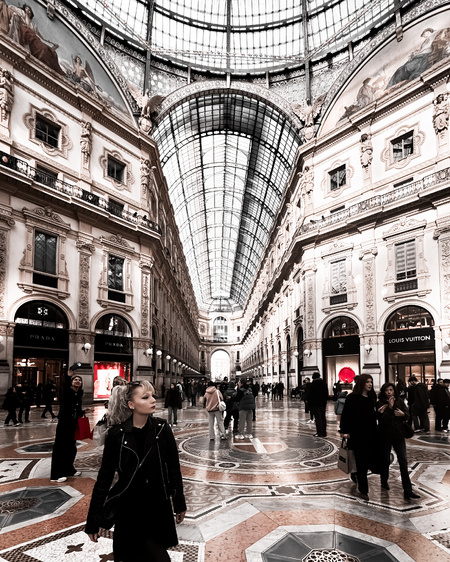
Few places capture the spirit of Milan quite like the Galleria Vittorio Emanuele II. Located between the Piazza del Duomo and Piazza della Scala, this monumental arcade is not only one of the city’s most recognizable landmarks but also one of the oldest and most elegant shopping galleries in Europe.
The Galleria was built in the nineteenth century, during a period when Milan was undergoing major urban transformation following the unification of Italy. Designed by the architect Giuseppe Mengoni, construction began in 1865 and the gallery was officially inaugurated in 1867 in honor of King Victor Emmanuel II, the first king of unified Italy.
Mengoni’s vision was ambitious. He imagined a monumental passageway that would combine architecture, commerce, and public life in a single space. The result was extraordinary: a vast cross-shaped arcade covered by an immense glass and iron dome, allowing natural light to flood the interior. At the time, the structure represented a remarkable feat of engineering and quickly became one of the most impressive examples of nineteenth-century architecture in Europe. Walking through the Galleria today still feels like entering a grand architectural stage. The soaring glass vaults, elegant mosaics, and richly decorated façades create an atmosphere of refined elegance that perfectly reflects the Milanese sense of style. Luxury boutiques, historic cafés, and renowned restaurants line the arcades, continuing a tradition of social life that has defined the space for more than a century.
For this reason, the Galleria is often affectionately referred to by locals as “Il Salotto di Milano”, the living room of Milan. Much like a grand salon, it has long been a meeting place where residents gather to stroll, converse, and observe the rhythm of the city. One of the most curious traditions associated with the Galleria can be found in the mosaic floor beneath the central dome. Among the decorative emblems representing several Italian cities appears the symbol of Turin, depicted as a bull. According to local tradition, visitors bring good luck by placing their heel on the bull’s image and spinning three times on the spot. The ritual has become a popular custom for tourists and locals alike. Over time, the repeated spinning has worn a visible hole into the mosaic, turning the small detail into one of Milan’s most photographed and recognizable curiosities.
Yet beyond its architectural beauty and playful traditions, the Galleria Vittorio Emanuele II represents something deeper about Milan. It embodies the city’s unique ability to blend history, elegance, culture, and modern life within a single space. Standing beneath its glass dome, with the Duomo at one end and La Scala at the other, visitors find themselves at the crossroads of Milan’s past and present, a place where architecture, commerce, and daily life have been intertwined for more than 150 years. In many ways, the Galleria perfectly summarizes the spirit of Milan itself: a city where history and modernity coexist, where elegance is part of everyday life, and where culture can be discovered not only in museums but also in the very spaces where people gather and move through the city.
The Galleria was built in the nineteenth century, during a period when Milan was undergoing major urban transformation following the unification of Italy. Designed by the architect Giuseppe Mengoni, construction began in 1865 and the gallery was officially inaugurated in 1867 in honor of King Victor Emmanuel II, the first king of unified Italy.
Mengoni’s vision was ambitious. He imagined a monumental passageway that would combine architecture, commerce, and public life in a single space. The result was extraordinary: a vast cross-shaped arcade covered by an immense glass and iron dome, allowing natural light to flood the interior. At the time, the structure represented a remarkable feat of engineering and quickly became one of the most impressive examples of nineteenth-century architecture in Europe. Walking through the Galleria today still feels like entering a grand architectural stage. The soaring glass vaults, elegant mosaics, and richly decorated façades create an atmosphere of refined elegance that perfectly reflects the Milanese sense of style. Luxury boutiques, historic cafés, and renowned restaurants line the arcades, continuing a tradition of social life that has defined the space for more than a century.
For this reason, the Galleria is often affectionately referred to by locals as “Il Salotto di Milano”, the living room of Milan. Much like a grand salon, it has long been a meeting place where residents gather to stroll, converse, and observe the rhythm of the city. One of the most curious traditions associated with the Galleria can be found in the mosaic floor beneath the central dome. Among the decorative emblems representing several Italian cities appears the symbol of Turin, depicted as a bull. According to local tradition, visitors bring good luck by placing their heel on the bull’s image and spinning three times on the spot. The ritual has become a popular custom for tourists and locals alike. Over time, the repeated spinning has worn a visible hole into the mosaic, turning the small detail into one of Milan’s most photographed and recognizable curiosities.
Yet beyond its architectural beauty and playful traditions, the Galleria Vittorio Emanuele II represents something deeper about Milan. It embodies the city’s unique ability to blend history, elegance, culture, and modern life within a single space. Standing beneath its glass dome, with the Duomo at one end and La Scala at the other, visitors find themselves at the crossroads of Milan’s past and present, a place where architecture, commerce, and daily life have been intertwined for more than 150 years. In many ways, the Galleria perfectly summarizes the spirit of Milan itself: a city where history and modernity coexist, where elegance is part of everyday life, and where culture can be discovered not only in museums but also in the very spaces where people gather and move through the city.