


Wanderlust Ice & Ink — Travel: Living the Olympic Experience in Milan, Five Facts from the Men’s Short Program. (c) Sarah B
After days of anticipation across Milan, this was the moment when the ice began to tell its own story, shaped by expectation, pressure, and the emergence of a new generation of contenders.
One year ago, after watching the World Championships on television, my husband and I sat on our couch analyzing programs with the eyes of professional skaters. We spoke about what it would mean to witness the Olympic Games in person, knowing that seeing this level of skating live is entirely different from watching it through a screen. He followed that instinct and booked these seats almost a year in advance, long before the rush began. They were expensive, undeniably so. But sitting there, surrounded by the energy of the arena and the sound of blades carving into the ice, I understood that this was not a luxury. It was a rare privilege, the chance to witness the sport we have devoted our lives to at its most demanding.
The short program is unforgiving by design. In less than three minutes, it compresses technical precision, strategic choices, and artistic identity into a single performance that can define the trajectory of an entire Olympic campaign. There is no time to recover from a major mistake, no space to rebuild momentum. As former competitors, we know how the body reacts in that moment, how muscle memory collides with adrenaline, and how a program repeated hundreds of times suddenly feels different under Olympic lights.
From my seat, I was not only watching jumps and scores. I was watching how pressure moves through a body, how timing shifts by fractions of a second, and how a skater fights to remain present inside a program that has suddenly become heavier with expectation. I felt grateful to be there, not as a competitor this time, but as a witness, a storyteller, and someone who still belongs to the world unfolding on the ice. Much of the attention centered on Ilia Malinin, whose technical dominance and reputation as the pioneer of the quadruple Axel have turned every appearance into an event in itself. I had the privilege of witnessing his quadruple Axel live during an Olympic practice session at the arena, a moment of technical precision shaped by years of work with his father and refined under the guidance of his coach, Rafael Arutyunyan. The excitement surrounding him was real, not only because of what he has already achieved, but because he represents the sport’s accelerating future.
Kazakhstan’s Mikhail Shaidorov, silver medalist at the World Championships, skated with the assurance of a serious contender. Trained under Olympic champion Alexei Urmanov and supported by an international creative team, including choreographic input from Ivan Mesh and Ivan Righini, he positioned himself alongside Yuma Kagiyama and Ilia Malinin in the emerging Olympic hierarchy. Olympic medalist Kagiyama brought his signature refinement and musicality, embodying consistency at the highest level, while France’s Adam Siao Him Fa, who placed third after the short program, underscored the intensity of the competition with a performance that resonated strongly with the crowd. Canada’s Stephen Gogolev demonstrated the technical ambition of a rising generation, while Italy’s Daniel Grassl and Matteo Rizzo carried the weight and pride of skating on home ice, supported by a crowd that understood every edge and landing. South Korea’s Junhwan Cha delivered his characteristic blend of control and expression, reminding us of the global reach and stylistic diversity of modern men’s skating. Meanwhile, newcomer Petr Gumennik added another layer of intrigue. Known for his undeniable jumping ability and refined artistry, he brought clarity of line and musical sensitivity that set him apart, even in a field defined by technical escalation. Skating under intense scrutiny, he showed composure and precision that suggest a maturity beyond his newcomer status, a reminder that elite figure skating still demands the union of athletic power and interpretive depth.
Beyond individual results, what emerged most clearly from this short program was the extraordinary standard of the field as a whole. Each skater brought a distinct identity to the ice, different edges, different phrasing, different ways of inhabiting the music, yet all shared the same level of commitment and technical discipline required to perform under Olympic pressure. This collective excellence defines the modern era of men’s figure skating: not a single dominant style, but a convergence of athleticism, artistry, and personal voice.
The team event, held just days earlier, had already set the tone, revealing early form and testing nerves under Olympic pressure. But the men’s short program marked the true beginning of the individual journey. It was the first moment each skater stepped alone onto Olympic ice, without the buffer of a team, where every edge and landing carried the weight of years of preparation. Here in my article, are five facts about the men’s short program, the competition that set the tone for the Olympic event, revealed its first hierarchies, and offered a glimpse into the evolving identity of modern figure skating.
One year ago, after watching the World Championships on television, my husband and I sat on our couch analyzing programs with the eyes of professional skaters. We spoke about what it would mean to witness the Olympic Games in person, knowing that seeing this level of skating live is entirely different from watching it through a screen. He followed that instinct and booked these seats almost a year in advance, long before the rush began. They were expensive, undeniably so. But sitting there, surrounded by the energy of the arena and the sound of blades carving into the ice, I understood that this was not a luxury. It was a rare privilege, the chance to witness the sport we have devoted our lives to at its most demanding.
The short program is unforgiving by design. In less than three minutes, it compresses technical precision, strategic choices, and artistic identity into a single performance that can define the trajectory of an entire Olympic campaign. There is no time to recover from a major mistake, no space to rebuild momentum. As former competitors, we know how the body reacts in that moment, how muscle memory collides with adrenaline, and how a program repeated hundreds of times suddenly feels different under Olympic lights.
From my seat, I was not only watching jumps and scores. I was watching how pressure moves through a body, how timing shifts by fractions of a second, and how a skater fights to remain present inside a program that has suddenly become heavier with expectation. I felt grateful to be there, not as a competitor this time, but as a witness, a storyteller, and someone who still belongs to the world unfolding on the ice. Much of the attention centered on Ilia Malinin, whose technical dominance and reputation as the pioneer of the quadruple Axel have turned every appearance into an event in itself. I had the privilege of witnessing his quadruple Axel live during an Olympic practice session at the arena, a moment of technical precision shaped by years of work with his father and refined under the guidance of his coach, Rafael Arutyunyan. The excitement surrounding him was real, not only because of what he has already achieved, but because he represents the sport’s accelerating future.
Kazakhstan’s Mikhail Shaidorov, silver medalist at the World Championships, skated with the assurance of a serious contender. Trained under Olympic champion Alexei Urmanov and supported by an international creative team, including choreographic input from Ivan Mesh and Ivan Righini, he positioned himself alongside Yuma Kagiyama and Ilia Malinin in the emerging Olympic hierarchy. Olympic medalist Kagiyama brought his signature refinement and musicality, embodying consistency at the highest level, while France’s Adam Siao Him Fa, who placed third after the short program, underscored the intensity of the competition with a performance that resonated strongly with the crowd. Canada’s Stephen Gogolev demonstrated the technical ambition of a rising generation, while Italy’s Daniel Grassl and Matteo Rizzo carried the weight and pride of skating on home ice, supported by a crowd that understood every edge and landing. South Korea’s Junhwan Cha delivered his characteristic blend of control and expression, reminding us of the global reach and stylistic diversity of modern men’s skating. Meanwhile, newcomer Petr Gumennik added another layer of intrigue. Known for his undeniable jumping ability and refined artistry, he brought clarity of line and musical sensitivity that set him apart, even in a field defined by technical escalation. Skating under intense scrutiny, he showed composure and precision that suggest a maturity beyond his newcomer status, a reminder that elite figure skating still demands the union of athletic power and interpretive depth.
Beyond individual results, what emerged most clearly from this short program was the extraordinary standard of the field as a whole. Each skater brought a distinct identity to the ice, different edges, different phrasing, different ways of inhabiting the music, yet all shared the same level of commitment and technical discipline required to perform under Olympic pressure. This collective excellence defines the modern era of men’s figure skating: not a single dominant style, but a convergence of athleticism, artistry, and personal voice.
The team event, held just days earlier, had already set the tone, revealing early form and testing nerves under Olympic pressure. But the men’s short program marked the true beginning of the individual journey. It was the first moment each skater stepped alone onto Olympic ice, without the buffer of a team, where every edge and landing carried the weight of years of preparation. Here in my article, are five facts about the men’s short program, the competition that set the tone for the Olympic event, revealed its first hierarchies, and offered a glimpse into the evolving identity of modern figure skating.
 WII EDITO.mp3 (2.39 Mo)
Fact 1 — The Olympic Short Program: Structure, Stakes, and the First Hierarchy

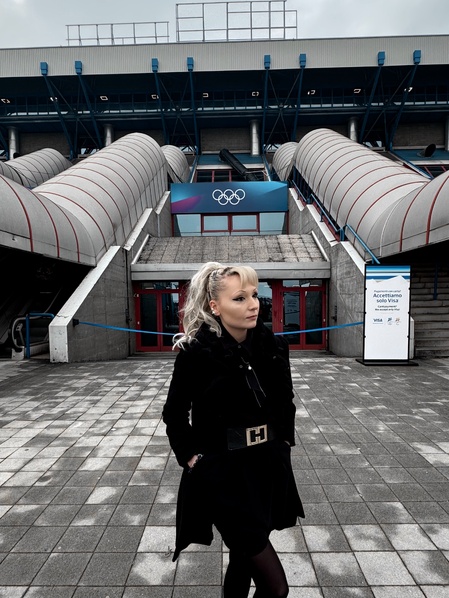
In Olympic figure skating, the men’s short program is a highly regulated segment defined by the International Skating Union (ISU) to ensure technical comparability and competitive equity. Together with the free skate, it determines the final standings, but its role is distinct: it establishes the first hierarchy of the individual event and determines which skaters remain in serious contention for the podium. But, Olympic ice is not just another competitive surface. The scale of the arena, the acoustics, the lighting, and the weight of the moment alter spatial perception and timing. Even the most experienced skaters must recalibrate their rhythm within the first seconds.
Following the team event, which offers an early indication of form, the short program marks the official beginning of each athlete’s individual Olympic campaign. Skaters perform alone, under maximum scrutiny, with no opportunity to compensate for major errors later in the segment. It is the moment when Olympic pressure becomes personal.
According to ISU regulations, the men’s short program has a duration of 2 minutes and 40 seconds, plus or minus 10 seconds, and must include a precise set of required elements:
• one jump combination, including a triple or quadruple jump
• one solo jump, which must be a triple or quadruple Axel-type jump
• one flying spin
• one spin in one position with change of foot
• one combination spin with change of foot
• one step sequence fully utilizing the ice surface
Each element receives a base value and is evaluated through the Grade of Execution (GOE), which measures quality, flow, and control. In parallel, the Program Component Scores (PCS) assess skating skills, transitions, performance, composition, and interpretation. This dual scoring system reflects the ISU’s objective: balancing athletic difficulty with artistic integrity.
What makes the short program uniquely decisive is its lack of margin for error. With only a handful of elements and a compressed timeframe, a fall, under-rotation, or invalid element can immediately alter the standings. It can help a skater establish an early advantage and position themselves strategically for the free skate, or, on the contrary, result in the loss of a considerable lead that may prove impossible to recover. For many athletes, the segment is therefore a calculated balance between ambition and control. Even skaters capable of extreme technical content may choose layouts designed to secure stability, remain within reach of the leaders, and preserve their chances for the final segment.
At Milano Cortina 2026, this dynamic was fully visible. After tentative performances in the team event, USA’s Ilia Malinin found his footing when it mattered most, delivering a clean and commanding short program to take the lead with 108.16 points, ahead of Japan’s Yuma Kagiyama and France’s Adam Siao Him Fa.Beyond the scores, the short program establishes a psychological hierarchy. Skaters who leave the ice in the top group carry momentum into the free skate, while those who fall behind must rebuild confidence under mounting pressure. Olympic ice also changes perception. The scale of the arena, the silence before a jump, and the delayed reaction of a crowd thousands strong can subtly shift a skater’s timing. What appears identical on paper rarely feels identical in the body. The short program becomes not only a technical test, but an exercise in recalibration, adapting familiar choreography to an unfamiliar magnitude. In an era defined by quadruple jumps and technical escalation, the short program remains a space of restraint. The challenge is not only to execute difficulty, but to choose wisely, revealing enough to lead, without risking the stability required to contend for Olympic gold.
Following the team event, which offers an early indication of form, the short program marks the official beginning of each athlete’s individual Olympic campaign. Skaters perform alone, under maximum scrutiny, with no opportunity to compensate for major errors later in the segment. It is the moment when Olympic pressure becomes personal.
According to ISU regulations, the men’s short program has a duration of 2 minutes and 40 seconds, plus or minus 10 seconds, and must include a precise set of required elements:
• one jump combination, including a triple or quadruple jump
• one solo jump, which must be a triple or quadruple Axel-type jump
• one flying spin
• one spin in one position with change of foot
• one combination spin with change of foot
• one step sequence fully utilizing the ice surface
Each element receives a base value and is evaluated through the Grade of Execution (GOE), which measures quality, flow, and control. In parallel, the Program Component Scores (PCS) assess skating skills, transitions, performance, composition, and interpretation. This dual scoring system reflects the ISU’s objective: balancing athletic difficulty with artistic integrity.
What makes the short program uniquely decisive is its lack of margin for error. With only a handful of elements and a compressed timeframe, a fall, under-rotation, or invalid element can immediately alter the standings. It can help a skater establish an early advantage and position themselves strategically for the free skate, or, on the contrary, result in the loss of a considerable lead that may prove impossible to recover. For many athletes, the segment is therefore a calculated balance between ambition and control. Even skaters capable of extreme technical content may choose layouts designed to secure stability, remain within reach of the leaders, and preserve their chances for the final segment.
At Milano Cortina 2026, this dynamic was fully visible. After tentative performances in the team event, USA’s Ilia Malinin found his footing when it mattered most, delivering a clean and commanding short program to take the lead with 108.16 points, ahead of Japan’s Yuma Kagiyama and France’s Adam Siao Him Fa.Beyond the scores, the short program establishes a psychological hierarchy. Skaters who leave the ice in the top group carry momentum into the free skate, while those who fall behind must rebuild confidence under mounting pressure. Olympic ice also changes perception. The scale of the arena, the silence before a jump, and the delayed reaction of a crowd thousands strong can subtly shift a skater’s timing. What appears identical on paper rarely feels identical in the body. The short program becomes not only a technical test, but an exercise in recalibration, adapting familiar choreography to an unfamiliar magnitude. In an era defined by quadruple jumps and technical escalation, the short program remains a space of restraint. The challenge is not only to execute difficulty, but to choose wisely, revealing enough to lead, without risking the stability required to contend for Olympic gold.
Fact 2 — A Truly Global Field: Nations, Styles, and the Men Who Shaped the Short Program

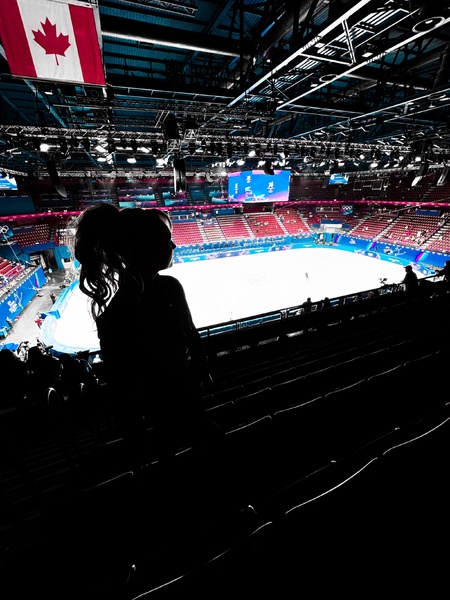
The men’s short program in Milan brought together a field that reflected the global evolution of figure skating. From Europe to Asia and the Americas, the competition showcased not only technical progression, but distinct national styles, training traditions, and artistic identities. Each skater arrived with a defined presence on the ice, turning the segment into something more layered than a ranking exercise. It felt like a living map of modern men’s skating.
At the top of the standings, Ilia Malinin (USA), the two-time reigning World Champion, combined explosive athletic power with growing composure, reinforcing his position as a technical trailblazer. Yuma Kagiyama (Japan), Olympic silver medalist, displayed refined edge quality and musical intelligence, embodying the precision and polish that define Japanese skating. Adam Siao Him Fa (France), European champion, delivered intensity and theatrical clarity, blending athletic strength with bold choreographic choices to secure third place after the short program.
On home ice, Daniel Grassl (Italy) skated with visible determination under national expectation, while Matteo Rizzo (Italy) brought elegance and emotional depth, earning sustained support from the Milan crowd. Junhwan Cha (South Korea) continued to exemplify lyrical control and expressive skating, maintaining his reputation for fluid transitions and interpretive detail.
Mikhail Shaidorov (Kazakhstan), 2025 World silver medalist, confirmed his status as a serious international contender, combining strong technical content with growing artistic assurance. Stephen Gogolev (Canada) showed fearless technical ambition, representative of a new generation pushing the sport’s difficulty ceiling.
For France, Kévin Aymoz reminded audiences of the importance of musical nuance and blade sensitivity. Japan’s Shun Sato demonstrated speed and jumping precision, reflecting the technical depth of his federation. In his Olympic debut, Andrew Torgashev (USA) showed control and confidence beyond his years, while Maxim Naumov (USA) delivered a performance marked by resilience and emotional strength. Veteran competitor Boyang Jin (China) once again brought his characteristic jump power and competitive experience. Aleksandr Selevko (Estonia) skated with steady technical progression, while Latvia’s Deniss Vasiļjevs distinguished himself through refined skating skills and choreographic sophistication. Fedir Kulish (Latvia) represented the discipline and ambition of smaller federations striving for greater international visibility.
Japan’s Kao Miura contributed explosive athleticism and speed, while Yu-Hsiang Li (Chinese Taipei) reflected the continued expansion of figure skating’s geographic reach. Donovan Carrillo (Mexico) brought charisma and cultural pride to the Olympic stage, reinforcing the sport’s presence beyond its traditional powerhouses.
Further illustrating Europe’s depth, Vladimir Samoilov (Poland) displayed technical consistency and discipline, and Edward Appleby (Great Britain) represented the steady rebuilding of British men’s skating. Nika Egadze (Georgia) combined physical strength with expressive intention. Meanwhile, Petr Gumennik, one of the most closely observed newcomers, stood out for his undeniable jumping ability and refined artistic line, showing composure that suggests long-term elite potential. The Olympic field extended beyond final placement. Hyungyeom Kim (South Korea) demonstrated promise and determination in his Olympic appearance. Andreas Nordeback (Sweden) showed disciplined edge work and resilience. Vladimir Litvintsev (Azerbaijan) brought experience and persistence to the stage. Tomàs-Llorenç Guarino Sabaté (Spain) represented the growing Southern European presence in elite men’s skating, navigating competitive pressure with professionalism.
Taken together, this field illustrated the defining feature of contemporary men’s figure skating: diversity without fragmentation. There is no single dominant aesthetic. Instead, multiple schools of technique and interpretation coexist, athleticism alongside lyricism, innovation alongside classical structure. The Milan short program became not just a competition, but a convergence of individual voices shaping the evolving language of the sport.
At the top of the standings, Ilia Malinin (USA), the two-time reigning World Champion, combined explosive athletic power with growing composure, reinforcing his position as a technical trailblazer. Yuma Kagiyama (Japan), Olympic silver medalist, displayed refined edge quality and musical intelligence, embodying the precision and polish that define Japanese skating. Adam Siao Him Fa (France), European champion, delivered intensity and theatrical clarity, blending athletic strength with bold choreographic choices to secure third place after the short program.
On home ice, Daniel Grassl (Italy) skated with visible determination under national expectation, while Matteo Rizzo (Italy) brought elegance and emotional depth, earning sustained support from the Milan crowd. Junhwan Cha (South Korea) continued to exemplify lyrical control and expressive skating, maintaining his reputation for fluid transitions and interpretive detail.
Mikhail Shaidorov (Kazakhstan), 2025 World silver medalist, confirmed his status as a serious international contender, combining strong technical content with growing artistic assurance. Stephen Gogolev (Canada) showed fearless technical ambition, representative of a new generation pushing the sport’s difficulty ceiling.
For France, Kévin Aymoz reminded audiences of the importance of musical nuance and blade sensitivity. Japan’s Shun Sato demonstrated speed and jumping precision, reflecting the technical depth of his federation. In his Olympic debut, Andrew Torgashev (USA) showed control and confidence beyond his years, while Maxim Naumov (USA) delivered a performance marked by resilience and emotional strength. Veteran competitor Boyang Jin (China) once again brought his characteristic jump power and competitive experience. Aleksandr Selevko (Estonia) skated with steady technical progression, while Latvia’s Deniss Vasiļjevs distinguished himself through refined skating skills and choreographic sophistication. Fedir Kulish (Latvia) represented the discipline and ambition of smaller federations striving for greater international visibility.
Japan’s Kao Miura contributed explosive athleticism and speed, while Yu-Hsiang Li (Chinese Taipei) reflected the continued expansion of figure skating’s geographic reach. Donovan Carrillo (Mexico) brought charisma and cultural pride to the Olympic stage, reinforcing the sport’s presence beyond its traditional powerhouses.
Further illustrating Europe’s depth, Vladimir Samoilov (Poland) displayed technical consistency and discipline, and Edward Appleby (Great Britain) represented the steady rebuilding of British men’s skating. Nika Egadze (Georgia) combined physical strength with expressive intention. Meanwhile, Petr Gumennik, one of the most closely observed newcomers, stood out for his undeniable jumping ability and refined artistic line, showing composure that suggests long-term elite potential. The Olympic field extended beyond final placement. Hyungyeom Kim (South Korea) demonstrated promise and determination in his Olympic appearance. Andreas Nordeback (Sweden) showed disciplined edge work and resilience. Vladimir Litvintsev (Azerbaijan) brought experience and persistence to the stage. Tomàs-Llorenç Guarino Sabaté (Spain) represented the growing Southern European presence in elite men’s skating, navigating competitive pressure with professionalism.
Taken together, this field illustrated the defining feature of contemporary men’s figure skating: diversity without fragmentation. There is no single dominant aesthetic. Instead, multiple schools of technique and interpretation coexist, athleticism alongside lyricism, innovation alongside classical structure. The Milan short program became not just a competition, but a convergence of individual voices shaping the evolving language of the sport.
Complete list of competitors
United States
Ilia Malinin
Andrew Torgashev
Maxim Naumov
Japan
Yuma Kagiyama
Shun Sato
Kao Miura
France
Adam Siao Him Fa
Kévin Aymoz
Italy
Daniel Grassl
Matteo Rizzo
Kazakhstan
Mikhail Shaidorov
South Korea
Junhwan Cha
Hyungyeom Kim
Canada
Stephen Gogolev
China
Boyang Jin
Mexico
Donovan Carrillo
Great Britain
Edward Appleby
Poland
Vladimir Samoilov
Georgia
Nika Egadze
Latvia
Deniss Vasiļjevs
Fedir Kulish
Estonia
Aleksandr Selevko
Sweden
Andreas Nordeback
Azerbaijan
Vladimir Litvintsev
Chinese Taipei
Yu-Hsiang Li
Spain
Tomàs-Llorenç Guarino Sabaté
Total competitors: 29 skaters
Top 24 advanced to the Free Skate
5 did not qualify
Skaters who did not qualify for the Free Skate
Tomàs-Llorenç Guarino Sabaté
Hyungyeom Kim
Andreas Nordeback
Fedir Kulish
Vladimir Litvintsev
United States
Ilia Malinin
Andrew Torgashev
Maxim Naumov
Japan
Yuma Kagiyama
Shun Sato
Kao Miura
France
Adam Siao Him Fa
Kévin Aymoz
Italy
Daniel Grassl
Matteo Rizzo
Kazakhstan
Mikhail Shaidorov
South Korea
Junhwan Cha
Hyungyeom Kim
Canada
Stephen Gogolev
China
Boyang Jin
Mexico
Donovan Carrillo
Great Britain
Edward Appleby
Poland
Vladimir Samoilov
Georgia
Nika Egadze
Latvia
Deniss Vasiļjevs
Fedir Kulish
Estonia
Aleksandr Selevko
Sweden
Andreas Nordeback
Azerbaijan
Vladimir Litvintsev
Chinese Taipei
Yu-Hsiang Li
Spain
Tomàs-Llorenç Guarino Sabaté
Total competitors: 29 skaters
Top 24 advanced to the Free Skate
5 did not qualify
Skaters who did not qualify for the Free Skate
Tomàs-Llorenç Guarino Sabaté
Hyungyeom Kim
Andreas Nordeback
Fedir Kulish
Vladimir Litvintsev
Fact 3 — The real work began long before the first skater performed

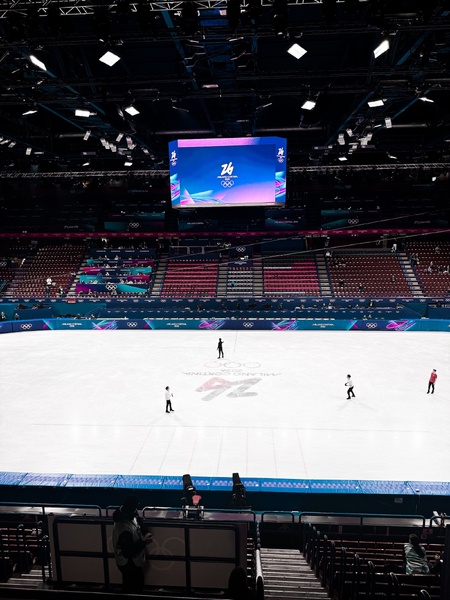
The men’s short program did not begin with the first skater stepping onto Olympic ice. It began hours earlier, in a quieter, almost suspended atmosphere, during the official pre-competition practices that unfolded group by group throughout the day.
I was surprised to discover the structure: each group of skaters was allotted roughly two hours of ice time before the evening competition. These sessions were not performances for the public, yet they revealed another layer of Olympic skating — one defined by restraint, calculation, and energy management. Many skaters marked their programs technically, conserving jumps or reducing amplitude, clearly aware that the real effort would come later that night. The run-throughs offered glimpses of choreography and timing, but also of strategy: when to push, when to hold back, when to protect the body.
Watching these rehearsals was a privilege in itself. It allowed me to see the mechanics behind the spectacle — blades tracing patterns without the pressure of scores, coaches observing silently, athletes negotiating the delicate balance between preparation and preservation. Knowing the competition would take place late in the evening, the entire day seemed organized around endurance.
By the time the arena filled and the short program officially began, the atmosphere had shifted. The earlier calm gave way to concentrated tension. Silence settled over the stands during jump entries, followed by waves of applause the moment a landing held. The audience, composed of Italian fans, international spectators, and skating insiders, reacted not only to results but to edges, transitions, and musical phrasing — the unmistakable response of a knowledgeable crowd.
For the Italian skaters, Daniel Grassl and Matteo Rizzo, the arena carried additional emotional weight. Skating at home during an Olympic Games transformed each successful element into a shared moment with the public. The response felt collective, as if the city itself were invested in every landing.
And let’s be honest: the undeniable star presence of this short program was Ilia Malinin. Every time he stepped onto the ice — whether in practice or competition — the energy in the arena shifted. Conversations stopped, phones lifted, and attention narrowed. It was not only about his technical arsenal, but about the sense that he represents a turning point in the sport’s evolution. Watching him live made clear why certain athletes transcend results and become reference points for an entire era.
Beyond the venue, Milan reflected the Games in quieter but persistent ways. Public screens broadcast events in piazzas, cafés replayed key moments, and conversations about programs drifted through the streets in multiple languages. Temporary rinks, Olympic signage, and cultural events extended the experience beyond the arena, allowing the short program to exist not only as a competition, but as part of the city’s daily rhythm.
For someone who has spent years inside the professional world of skating, this revealed a truth often invisible on television: Olympic skating is not only the performance we see, but the hours of preparation, restraint, and silent focus that precede it. The competition may last minutes, but its weight is carried across an entire day.
I was surprised to discover the structure: each group of skaters was allotted roughly two hours of ice time before the evening competition. These sessions were not performances for the public, yet they revealed another layer of Olympic skating — one defined by restraint, calculation, and energy management. Many skaters marked their programs technically, conserving jumps or reducing amplitude, clearly aware that the real effort would come later that night. The run-throughs offered glimpses of choreography and timing, but also of strategy: when to push, when to hold back, when to protect the body.
Watching these rehearsals was a privilege in itself. It allowed me to see the mechanics behind the spectacle — blades tracing patterns without the pressure of scores, coaches observing silently, athletes negotiating the delicate balance between preparation and preservation. Knowing the competition would take place late in the evening, the entire day seemed organized around endurance.
By the time the arena filled and the short program officially began, the atmosphere had shifted. The earlier calm gave way to concentrated tension. Silence settled over the stands during jump entries, followed by waves of applause the moment a landing held. The audience, composed of Italian fans, international spectators, and skating insiders, reacted not only to results but to edges, transitions, and musical phrasing — the unmistakable response of a knowledgeable crowd.
For the Italian skaters, Daniel Grassl and Matteo Rizzo, the arena carried additional emotional weight. Skating at home during an Olympic Games transformed each successful element into a shared moment with the public. The response felt collective, as if the city itself were invested in every landing.
And let’s be honest: the undeniable star presence of this short program was Ilia Malinin. Every time he stepped onto the ice — whether in practice or competition — the energy in the arena shifted. Conversations stopped, phones lifted, and attention narrowed. It was not only about his technical arsenal, but about the sense that he represents a turning point in the sport’s evolution. Watching him live made clear why certain athletes transcend results and become reference points for an entire era.
Beyond the venue, Milan reflected the Games in quieter but persistent ways. Public screens broadcast events in piazzas, cafés replayed key moments, and conversations about programs drifted through the streets in multiple languages. Temporary rinks, Olympic signage, and cultural events extended the experience beyond the arena, allowing the short program to exist not only as a competition, but as part of the city’s daily rhythm.
For someone who has spent years inside the professional world of skating, this revealed a truth often invisible on television: Olympic skating is not only the performance we see, but the hours of preparation, restraint, and silent focus that precede it. The competition may last minutes, but its weight is carried across an entire day.
Fact 4 — Ilia Malinin set the tone with a general small margins


The men’s short program in Milan unfolded as a competition of remarkable density, where scores remained tightly grouped and no skater could afford even the smallest lapse. With only fractions of points separating placements throughout the standings, the segment left virtually no margin for error and set the stage for a free skate where every technical choice would carry decisive weight.
At the top, Ilia Malinin (USA) delivered a composed and technically commanding performance, scoring 108.16 and reclaiming momentum after a tentative team event. His clean quadruple flip, triple Axel, and quadruple Lutz–triple toe loop combination confirmed both his technical authority and his ability to respond under Olympic pressure. Close behind, Yuma Kagiyama (Japan), Olympic silver medalist, combined precision and musical refinement to earn 103.07, remaining firmly within striking distance.
Adam Siao Him Fa (France), European champion, secured third place with 102.55 through a powerful yet choreographically assertive program, demonstrating both athletic control and a distinctive artistic voice. Skating on home ice, Daniel Grassl (Italy) placed fourth with 93.46, channeling the energy of the Milan crowd into a performance marked by resilience and ambition. Just behind him, Mikhail Shaidorov (Kazakhstan), reigning World silver medalist, delivered a technically solid program to earn 92.94, positioning himself as a serious contender in the Olympic hierarchy alongside Malinin and Kagiyama.
Junhwan Cha (South Korea) followed closely with 92.72, maintaining his reputation for fluid transitions and expressive control, while Kévin Aymoz (France) scored 92.64, reminding audiences of the central role of musical sensitivity and blade work in modern skating.
The middle of the standings illustrated the depth of the field. Andrew Torgashev (USA) impressed in his Olympic debut with composure and clarity, while Shun Sato (Japan) demonstrated speed and jumping precision. Stephen Gogolev (Canada), despite a loose boot lace mid-program, completed his skate with determination, embodying the technical ambition of a rising generation. Kyrylo Marsak (Ukraine) delivered a composed and expressive performance, marked by refined skating skills and musical sensitivity, reinforcing the international breadth and artistic diversity of the Olympic field. Petr Gumennik (AIN) stood out for his undeniable jumping ability and refined artistic line, showing composure and precision under intense scrutiny, qualities that signal long-term elite potential.
Boyang Jin (China), a veteran of multiple Olympic cycles, once again brought explosive jumping power and competitive experience, while Maxim Naumov (USA) delivered an emotionally charged performance, skating in tribute to his late parents and demonstrating remarkable resilience under the Olympic spotlight.
Further down, Nika Egadze (Georgia) combined strength and expressiveness, while Matteo Rizzo (Italy), fresh from helping secure Italy’s bronze medal in the team event, brought elegance and emotional connection to the ice, sustaining the support of the home crowd. Deniss Vasiļjevs (Latvia) distinguished himself through refined skating skills and choreographic nuance, and Aleksandr Selevko (Estonia) showed steady technical progression. Beyond them, Lukas Britschgi (Switzerland), Adam Hagara (Slovakia), and Vladimir Samoilov (Poland), emphasizing precision and consistency even when errors occurred.. Kao Miura (Japan) contributed explosive athleticism, while Donovan Carrillo (Mexico) brought charisma and cultural pride to the Olympic stage. Yu-Hsiang Li (Chinese Taipei) demonstrated composure under pressure, reinforcing the growing geographic reach of the sport.
Even those who did not qualify for the free skate contributed to the global portrait of Olympic men’s skating. Tomàs-Llorenç Guarino Sabaté (Spain), Hyungyeom Kim (South Korea), Andreas Nordeback (Sweden), Fedir Kulish (Latvia), and Vladimir Litvintsev (Azerbaijan) represented emerging programs navigating Olympic pressure with professionalism and determination. What emerged most clearly from this short program was not a single dominant style, but a convergence of voices. Technical escalation, musical interpretation, national schools, and individual identity coexisted within a field where the smallest detail separated placements.
With the top 24 advancing and scores tightly compressed, the short program did not create decisive gaps, it created tension, leaving the free skate to determine not only medals, but the narrative of an Olympic generation. What emerged from this short program was not a single dominant performance, but a portrait of extraordinary depth. The margins were narrow, the stakes immediate, and the free skate remained wide open. In Milan, the short program functioned exactly as intended: not as a conclusion, but as a pressure point where Olympic narratives begin to take shape.
Highlight — Malinin’s short program, “The Lost Crown,” choreographed by Shae-Lynn Bourne, blended classical motifs with cinematic intensity, embodying a warrior-like narrative of control under pressure. Rather than attempting the quadruple Axel, he opted for a strategically efficient layout:
• Quadruple Flip
• Triple Axel
• Quadruple Lutz–Triple Toe combination in the second half
• Level 4 spins and step sequence
What emerged from this short program was not a single dominant performance, but a portrait of extraordinary depth. The margins were narrow, the stakes immediate, and the free skate remained wide open. In Milan, the short program functioned exactly as intended: not as a conclusion, but as a pressure point where Olympic narratives begin to take shape.
At the top, Ilia Malinin (USA) delivered a composed and technically commanding performance, scoring 108.16 and reclaiming momentum after a tentative team event. His clean quadruple flip, triple Axel, and quadruple Lutz–triple toe loop combination confirmed both his technical authority and his ability to respond under Olympic pressure. Close behind, Yuma Kagiyama (Japan), Olympic silver medalist, combined precision and musical refinement to earn 103.07, remaining firmly within striking distance.
Adam Siao Him Fa (France), European champion, secured third place with 102.55 through a powerful yet choreographically assertive program, demonstrating both athletic control and a distinctive artistic voice. Skating on home ice, Daniel Grassl (Italy) placed fourth with 93.46, channeling the energy of the Milan crowd into a performance marked by resilience and ambition. Just behind him, Mikhail Shaidorov (Kazakhstan), reigning World silver medalist, delivered a technically solid program to earn 92.94, positioning himself as a serious contender in the Olympic hierarchy alongside Malinin and Kagiyama.
Junhwan Cha (South Korea) followed closely with 92.72, maintaining his reputation for fluid transitions and expressive control, while Kévin Aymoz (France) scored 92.64, reminding audiences of the central role of musical sensitivity and blade work in modern skating.
The middle of the standings illustrated the depth of the field. Andrew Torgashev (USA) impressed in his Olympic debut with composure and clarity, while Shun Sato (Japan) demonstrated speed and jumping precision. Stephen Gogolev (Canada), despite a loose boot lace mid-program, completed his skate with determination, embodying the technical ambition of a rising generation. Kyrylo Marsak (Ukraine) delivered a composed and expressive performance, marked by refined skating skills and musical sensitivity, reinforcing the international breadth and artistic diversity of the Olympic field. Petr Gumennik (AIN) stood out for his undeniable jumping ability and refined artistic line, showing composure and precision under intense scrutiny, qualities that signal long-term elite potential.
Boyang Jin (China), a veteran of multiple Olympic cycles, once again brought explosive jumping power and competitive experience, while Maxim Naumov (USA) delivered an emotionally charged performance, skating in tribute to his late parents and demonstrating remarkable resilience under the Olympic spotlight.
Further down, Nika Egadze (Georgia) combined strength and expressiveness, while Matteo Rizzo (Italy), fresh from helping secure Italy’s bronze medal in the team event, brought elegance and emotional connection to the ice, sustaining the support of the home crowd. Deniss Vasiļjevs (Latvia) distinguished himself through refined skating skills and choreographic nuance, and Aleksandr Selevko (Estonia) showed steady technical progression. Beyond them, Lukas Britschgi (Switzerland), Adam Hagara (Slovakia), and Vladimir Samoilov (Poland), emphasizing precision and consistency even when errors occurred.. Kao Miura (Japan) contributed explosive athleticism, while Donovan Carrillo (Mexico) brought charisma and cultural pride to the Olympic stage. Yu-Hsiang Li (Chinese Taipei) demonstrated composure under pressure, reinforcing the growing geographic reach of the sport.
Even those who did not qualify for the free skate contributed to the global portrait of Olympic men’s skating. Tomàs-Llorenç Guarino Sabaté (Spain), Hyungyeom Kim (South Korea), Andreas Nordeback (Sweden), Fedir Kulish (Latvia), and Vladimir Litvintsev (Azerbaijan) represented emerging programs navigating Olympic pressure with professionalism and determination. What emerged most clearly from this short program was not a single dominant style, but a convergence of voices. Technical escalation, musical interpretation, national schools, and individual identity coexisted within a field where the smallest detail separated placements.
With the top 24 advancing and scores tightly compressed, the short program did not create decisive gaps, it created tension, leaving the free skate to determine not only medals, but the narrative of an Olympic generation. What emerged from this short program was not a single dominant performance, but a portrait of extraordinary depth. The margins were narrow, the stakes immediate, and the free skate remained wide open. In Milan, the short program functioned exactly as intended: not as a conclusion, but as a pressure point where Olympic narratives begin to take shape.
Highlight — Malinin’s short program, “The Lost Crown,” choreographed by Shae-Lynn Bourne, blended classical motifs with cinematic intensity, embodying a warrior-like narrative of control under pressure. Rather than attempting the quadruple Axel, he opted for a strategically efficient layout:
• Quadruple Flip
• Triple Axel
• Quadruple Lutz–Triple Toe combination in the second half
• Level 4 spins and step sequence
What emerged from this short program was not a single dominant performance, but a portrait of extraordinary depth. The margins were narrow, the stakes immediate, and the free skate remained wide open. In Milan, the short program functioned exactly as intended: not as a conclusion, but as a pressure point where Olympic narratives begin to take shape.
The scores were insanely close
If the men’s short program in Milan demonstrated anything, it was how little separates the world’s elite. The standings were compressed within narrow scoring margins, where tenths of a point determined placement and a single imperfect landing could shift an athlete several positions. At this level, Olympic skating is defined not by dominance, but by precision sustained under extreme pressure.
Strategic restraint shaped many of the top performances.
Ilia Malinin led the segment with 108.16 after delivering a technically efficient layout: a quadruple Flip, a triple Axel, and a quadruple Lutz–triple toe loop combination placed in the second half for maximum value. He closed with a backflip, now permitted, adding a performative flourish without technical reward. Known for pioneering the quadruple Axel, Malinin’s decision to prioritize stability illustrated the competitive maturity required at the Olympic level. Yuma Kagiyama followed in second despite two near-perfect quadruple jumps, losing ground due to a flawed landing on his triple Axel, a reminder that even minor errors carry amplified consequences in the short program format.
Adam Siao Him Fa delivered what many observers described as one of the most complete programs of the day, earning a personal best of 102.55. His layout, including a quadruple toe–triple toe combination and a quadruple Salchow, combined technical clarity with strong choreographic identity, securing third place and reinforcing his status among the event’s leading contenders. Further down the standings, Maxim Naumov placed 14th in his Olympic debut with 85.65, dedicating his performance to his parents, former skaters who died tragically in 2025, adding a deeply human dimension to the competition.
Mikhail Shaidorov finished fifth with 92.94, positioning himself as a serious contender ahead of the free skate. His short program, set to a montage including In the Air Tonight and No Good, featured a quadruple Lutz–triple toe loop combination, a clean triple Axel, and a quadruple toe loop, in a choreography by Ivan Righini. Although he trailed Malinin by more than 15 points after this segment, his technical cleanliness kept him within the group of favorites, a foundation for the historic free skate that would later earn him Olympic gold.
Milan also revealed how modern figure skating is shaped by factors beyond athletic performance. Petr Gumennik was forced to change his short program music just two days before competition due to unresolved copyright issues. His original program, set to Perfume: The Story of a Murderer, was withdrawn after permissions were revoked. Unable to revert to his earlier-season music, he pivoted to “Waltz 1805” by Armenian composer Edgar Hakobyan, for which rights were secured at the last moment. Such last-minute changes introduce significant technical and psychological challenges. Music structures timing, transitions, and interpretive pacing; altering it days before competition requires rapid recalibration of muscle memory and performance dynamics. Despite these circumstances, Gumennik delivered a composed skate, placing 12th with 86.72. He later rebounded in the free skate, finishing fourth in that segment with 184.49, demonstrating resilience and adaptability under Olympic pressure.
What emerged in Milan was a portrait of men’s figure skating in transition. Technical ceilings continue to rise, yet margins tighten. Artistic identity remains central, yet legal frameworks now shape program construction. Athletes must balance innovation, restraint, endurance, and adaptabilit, all within less than three minutes of performance. In this sense, the short program has become more than an opening segment. It is a declaration of readiness for the modern Olympic arena, where excellence is measured not only by what a skater can execute, but by how they navigate the complex realities surrounding the ice.
Strategic restraint shaped many of the top performances.
Ilia Malinin led the segment with 108.16 after delivering a technically efficient layout: a quadruple Flip, a triple Axel, and a quadruple Lutz–triple toe loop combination placed in the second half for maximum value. He closed with a backflip, now permitted, adding a performative flourish without technical reward. Known for pioneering the quadruple Axel, Malinin’s decision to prioritize stability illustrated the competitive maturity required at the Olympic level. Yuma Kagiyama followed in second despite two near-perfect quadruple jumps, losing ground due to a flawed landing on his triple Axel, a reminder that even minor errors carry amplified consequences in the short program format.
Adam Siao Him Fa delivered what many observers described as one of the most complete programs of the day, earning a personal best of 102.55. His layout, including a quadruple toe–triple toe combination and a quadruple Salchow, combined technical clarity with strong choreographic identity, securing third place and reinforcing his status among the event’s leading contenders. Further down the standings, Maxim Naumov placed 14th in his Olympic debut with 85.65, dedicating his performance to his parents, former skaters who died tragically in 2025, adding a deeply human dimension to the competition.
Mikhail Shaidorov finished fifth with 92.94, positioning himself as a serious contender ahead of the free skate. His short program, set to a montage including In the Air Tonight and No Good, featured a quadruple Lutz–triple toe loop combination, a clean triple Axel, and a quadruple toe loop, in a choreography by Ivan Righini. Although he trailed Malinin by more than 15 points after this segment, his technical cleanliness kept him within the group of favorites, a foundation for the historic free skate that would later earn him Olympic gold.
Milan also revealed how modern figure skating is shaped by factors beyond athletic performance. Petr Gumennik was forced to change his short program music just two days before competition due to unresolved copyright issues. His original program, set to Perfume: The Story of a Murderer, was withdrawn after permissions were revoked. Unable to revert to his earlier-season music, he pivoted to “Waltz 1805” by Armenian composer Edgar Hakobyan, for which rights were secured at the last moment. Such last-minute changes introduce significant technical and psychological challenges. Music structures timing, transitions, and interpretive pacing; altering it days before competition requires rapid recalibration of muscle memory and performance dynamics. Despite these circumstances, Gumennik delivered a composed skate, placing 12th with 86.72. He later rebounded in the free skate, finishing fourth in that segment with 184.49, demonstrating resilience and adaptability under Olympic pressure.
What emerged in Milan was a portrait of men’s figure skating in transition. Technical ceilings continue to rise, yet margins tighten. Artistic identity remains central, yet legal frameworks now shape program construction. Athletes must balance innovation, restraint, endurance, and adaptabilit, all within less than three minutes of performance. In this sense, the short program has become more than an opening segment. It is a declaration of readiness for the modern Olympic arena, where excellence is measured not only by what a skater can execute, but by how they navigate the complex realities surrounding the ice.
Fact 5 — Behind the scores were deeply human stories.

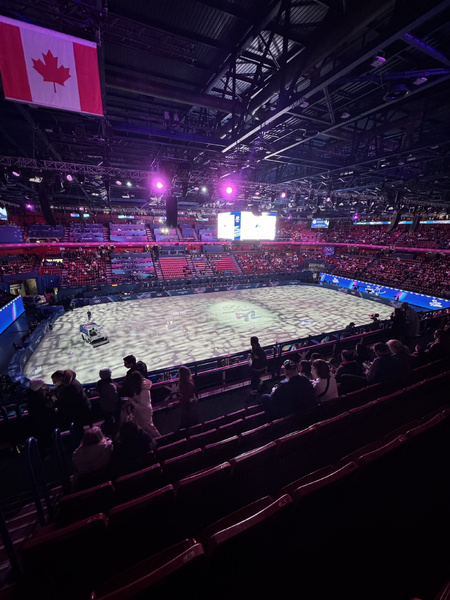
Indeed, the stories hit as hard as the jumps. Beyond protocols, base values, and rankings, the men’s short program in Milan unfolded as a collection of profoundly human moments, reminders that Olympic skating is lived not only through results, but through resilience, memory, identity, and adaptation.
Maxim Naumov (USA), competing in his first Olympic Games, skated with a quiet emotional weight, dedicating his performance to his parent, former world champion pair skaters, who died tragically in 2025. When he left the ice, the score mattered less than the act itself: a son completing a program under the gaze of a global audience, carrying grief with dignity.
Kyrylo Marsak (Ukraine) brought another layer of reality to Olympic ice. Skating while his country continues to endure war, and with his father reportedly on the front line, he performed with composure and expressive clarity. Without political gesture, his presence alone spoke to the endurance of athletes whose lives extend far beyond the rink.
Donovan Carrillo (Mexico) once again carried the pride of a nation where figure skating infrastructure remains limited. His charisma and commitment illustrated the courage required to pursue elite sport without the systemic support enjoyed by traditional powerhouses.
Matteo Rizzo, Just days after helping Italy secure a historic team bronze medal, Rizzo returned to the ice alone. In the Olympic team event, Matteo Rizzo carried the final responsibility for Italy, stepping onto the ice as the last skater with the team’s medal fate resting on his performance. News coverage emphasized that the bronze medal was effectively decided on his skate, a moment where individual execution determined collective history. Under the pressure of a home Olympics and a charged Milan arena, Rizzo delivered the composed performance Italy needed, securing the points that sealed the nation’s first team medal in figure skating. It was a defining Olympic moment: not a pursuit of personal ranking, but the fulfillment of a shared objective, achieved through steadiness, accountability, and trust in the work of an entire team.
Petr Gumennik, competing as a neutral athlete, faced a different kind of upheaval. Again, forced to change his short program music just days before the competition, he had to reconstruct timing, phrasing, and emotional pacing under extreme time pressure. Music is not an accessory in figure skating; it is the architecture of movement.
Even among the leaders, pressure revealed its human dimension. Ilia Malinin spoke openly about feeling overwhelmed by the Olympic atmosphere in the team event before regaining composure to lead the short program. Yuma Kagiyama’s slight error on the triple Axel, after otherwise near-perfect elements, illustrated how even the most refined athletes remain vulnerable in the face of Olympic stakes.
Together, these stories formed an undercurrent to the competition. They reminded us that behind every score is a life in motion, shaped by loss, uncertainty, national identity, and personal conviction. Olympic skating, in this sense, is not only a display of technical mastery. It is a stage where human experience becomes visible through movement, and where resilience often resonates more deeply than victory.
Maxim Naumov (USA), competing in his first Olympic Games, skated with a quiet emotional weight, dedicating his performance to his parent, former world champion pair skaters, who died tragically in 2025. When he left the ice, the score mattered less than the act itself: a son completing a program under the gaze of a global audience, carrying grief with dignity.
Kyrylo Marsak (Ukraine) brought another layer of reality to Olympic ice. Skating while his country continues to endure war, and with his father reportedly on the front line, he performed with composure and expressive clarity. Without political gesture, his presence alone spoke to the endurance of athletes whose lives extend far beyond the rink.
Donovan Carrillo (Mexico) once again carried the pride of a nation where figure skating infrastructure remains limited. His charisma and commitment illustrated the courage required to pursue elite sport without the systemic support enjoyed by traditional powerhouses.
Matteo Rizzo, Just days after helping Italy secure a historic team bronze medal, Rizzo returned to the ice alone. In the Olympic team event, Matteo Rizzo carried the final responsibility for Italy, stepping onto the ice as the last skater with the team’s medal fate resting on his performance. News coverage emphasized that the bronze medal was effectively decided on his skate, a moment where individual execution determined collective history. Under the pressure of a home Olympics and a charged Milan arena, Rizzo delivered the composed performance Italy needed, securing the points that sealed the nation’s first team medal in figure skating. It was a defining Olympic moment: not a pursuit of personal ranking, but the fulfillment of a shared objective, achieved through steadiness, accountability, and trust in the work of an entire team.
Petr Gumennik, competing as a neutral athlete, faced a different kind of upheaval. Again, forced to change his short program music just days before the competition, he had to reconstruct timing, phrasing, and emotional pacing under extreme time pressure. Music is not an accessory in figure skating; it is the architecture of movement.
Even among the leaders, pressure revealed its human dimension. Ilia Malinin spoke openly about feeling overwhelmed by the Olympic atmosphere in the team event before regaining composure to lead the short program. Yuma Kagiyama’s slight error on the triple Axel, after otherwise near-perfect elements, illustrated how even the most refined athletes remain vulnerable in the face of Olympic stakes.
Together, these stories formed an undercurrent to the competition. They reminded us that behind every score is a life in motion, shaped by loss, uncertainty, national identity, and personal conviction. Olympic skating, in this sense, is not only a display of technical mastery. It is a stage where human experience becomes visible through movement, and where resilience often resonates more deeply than victory.
Conclusion — Milan as a Threshold
Leaving the arena that night, Milan felt different. The streets were the same, the cafés still full, the trams still gliding past illuminated façades, and yet something had shifted. The men’s short program had done what it is meant to do: not decide the Olympic champion, but reveal the first truths of the competition. Hierarchies emerged, narratives took shape, and the margins between triumph and disappointment narrowed to fractions of a second.
For me, sitting in those stands after years of living the sport from inside the rink, the experience carried a quiet clarity. I was no longer measuring my own performance, no longer waiting for a score to appear beside my name. Instead, I was watching the sport I have devoted my life to evolve in real time, more technical, more global, more complex, yet still rooted in the same fragile balance between control and surrender that defines every skater’s relationship with the ice.
The Milan short program revealed a generation navigating unprecedented demands: tighter scoring margins, escalating technical standards, legal constraints shaping artistic choices, and an audience more informed and more connected than ever before. Yet it also reaffirmed something essential. Beneath the statistics, beneath the protocols and the pressure, figure skating remains an act of presence — a body moving through space, negotiating gravity, music, and expectation in a matter of minutes.
As the competition moves toward the free skate, nothing is settled. Leads can vanish, risks can redefine standings, and history can be written in a single program. But the short program has already fulfilled its purpose: it has set the tone, exposed the fault lines, and reminded us that Olympic skating is not only about winning. It is about who can remain most fully themselves under the weight of the moment.
In retrospect, that evening now feels like the first glimpse of the extraordinary plot twist that would unfold two days later in the free skate, a reminder that Olympic narratives are rarely linear, and that the quiet tensions of the short program often foreshadow the upheavals to come.
Milan, in that sense, is not just a host city. It is a threshold, between preparation and revelation, between ambition and execution, between the sport we thought we knew and the one still unfolding before us.
And from my seat in the arena, I realized that witnessing this evolution, with the eyes of a skater and the voice of a journalist, is its own form of belonging.
For me, sitting in those stands after years of living the sport from inside the rink, the experience carried a quiet clarity. I was no longer measuring my own performance, no longer waiting for a score to appear beside my name. Instead, I was watching the sport I have devoted my life to evolve in real time, more technical, more global, more complex, yet still rooted in the same fragile balance between control and surrender that defines every skater’s relationship with the ice.
The Milan short program revealed a generation navigating unprecedented demands: tighter scoring margins, escalating technical standards, legal constraints shaping artistic choices, and an audience more informed and more connected than ever before. Yet it also reaffirmed something essential. Beneath the statistics, beneath the protocols and the pressure, figure skating remains an act of presence — a body moving through space, negotiating gravity, music, and expectation in a matter of minutes.
As the competition moves toward the free skate, nothing is settled. Leads can vanish, risks can redefine standings, and history can be written in a single program. But the short program has already fulfilled its purpose: it has set the tone, exposed the fault lines, and reminded us that Olympic skating is not only about winning. It is about who can remain most fully themselves under the weight of the moment.
In retrospect, that evening now feels like the first glimpse of the extraordinary plot twist that would unfold two days later in the free skate, a reminder that Olympic narratives are rarely linear, and that the quiet tensions of the short program often foreshadow the upheavals to come.
Milan, in that sense, is not just a host city. It is a threshold, between preparation and revelation, between ambition and execution, between the sport we thought we knew and the one still unfolding before us.
And from my seat in the arena, I realized that witnessing this evolution, with the eyes of a skater and the voice of a journalist, is its own form of belonging.


 Wanderlust Ice & Ink — Voyage : Italie, au cœur des Jeux Olympiques, Milan–Cortina 2026