Wanderlust Ice & Ink — Travel: Milano Olympic Games, Five Facts from the Figure Skating Women’s Free Skate and Alysa Liu’s Alysa Liu’s Golden Joy


Wanderlust Ice & Ink — Travel: Milano Olympic Games, Five Facts from the Figure Skating Women’s Free Skate and Alysa Liu’s Alysa Liu’s Golden Joy. (c) Sarah B

Alysa Liu, the reigning world champion who had stepped away from the sport only a few years earlier before returning on her own terms, delivered a near flawless free skate to Donna Summer’s MacArthur Park Suite. Her performance lifted her from third place after the short program to Olympic gold with a total of 226.79 points, ending a twenty four year drought for American women in Olympic figure skating, the first since Sarah Hughes won in Salt Lake City in 2002. Across international coverage of the Games, one theme quickly emerged. Liu did not skate like an athlete overwhelmed by Olympic pressure. She looked calm, joyful, almost detached from the tension surrounding the event.
Throughout the season she had repeated the same idea: medals were not the reason she returned to the sport. She came back because she rediscovered the joy of skating itself. And on Olympic ice in Milan, that philosophy seemed to translate into something powerful, a performance built not on fear of mistakes, but on freedom of movement. Behind her, the competition remained fiercely contested. Kaori Sakamoto, one of the most consistent champions of the past Olympic cycle, secured the silver medal, while seventeen year old Ami Nakai completed an extraordinary breakthrough by holding on to bronze after leading the short program. The free skate reshaped the standings, expanded the margins, and confirmed once again the unpredictable nature of Olympic competition. Another narrative had also been circulating throughout the week. Adeliia Petrosian entered the final as one of the few skaters expected to attempt quadruple jumps, with two quad toe loops planned in her layout. During the official practices, the technical ambition of that strategy was visible. Watching from the stands, it was impossible not to notice the volume of quadruple toe loops she was attempting. One after another, sometimes as a solo jump and sometimes in combination, many of them landed cleanly. The repetition alone was impressive, and it hinted at the possibility that the technical ceiling of the event could rise dramatically if everything aligned in competition.
What the night ultimately revealed, however, was not only a new Olympic champion. It revealed a different kind of Olympic story. One where ambition, technical excellence, and competitive intensity coexisted with something rarely emphasized in elite sport: the idea that enjoyment, creative ownership, and personal freedom might actually strengthen performance rather than weaken it.
Throughout the season she had repeated the same idea: medals were not the reason she returned to the sport. She came back because she rediscovered the joy of skating itself. And on Olympic ice in Milan, that philosophy seemed to translate into something powerful, a performance built not on fear of mistakes, but on freedom of movement. Behind her, the competition remained fiercely contested. Kaori Sakamoto, one of the most consistent champions of the past Olympic cycle, secured the silver medal, while seventeen year old Ami Nakai completed an extraordinary breakthrough by holding on to bronze after leading the short program. The free skate reshaped the standings, expanded the margins, and confirmed once again the unpredictable nature of Olympic competition. Another narrative had also been circulating throughout the week. Adeliia Petrosian entered the final as one of the few skaters expected to attempt quadruple jumps, with two quad toe loops planned in her layout. During the official practices, the technical ambition of that strategy was visible. Watching from the stands, it was impossible not to notice the volume of quadruple toe loops she was attempting. One after another, sometimes as a solo jump and sometimes in combination, many of them landed cleanly. The repetition alone was impressive, and it hinted at the possibility that the technical ceiling of the event could rise dramatically if everything aligned in competition.
What the night ultimately revealed, however, was not only a new Olympic champion. It revealed a different kind of Olympic story. One where ambition, technical excellence, and competitive intensity coexisted with something rarely emphasized in elite sport: the idea that enjoyment, creative ownership, and personal freedom might actually strengthen performance rather than weaken it.
 WomenFFp.mp3 (2.54 Mo)
Fact 1 — The Free Skate: The Segment That Ultimately Defines the Olympic Event

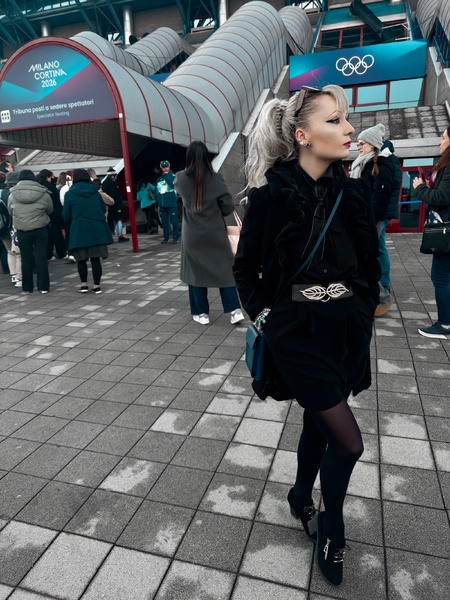
If the short program filters the field, the free skate exposes it. The first segment of the competition creates a hierarchy, compressing the athletes within narrow margins and establishing the initial psychological order of the event. The free skate, however, transforms that structure entirely. In women’s singles, the program lasts four minutes, plus or minus ten seconds, and that additional time changes the nature of the discipline itself. The short program demands precision within a strict technical framework. The free skate demands endurance, strategic thinking, emotional control, and the ability to sustain technical accuracy across a much longer narrative.
Under the rules of the International Skating Union, the women’s free skate is structured around a defined technical framework. Each skater must perform a program that includes a maximum of seven jumping passes, of which three may be jump combinations or sequences. Only two types of triple or quadruple jumps may be repeated, and one of them must appear within a combination or sequence. In addition to the jumps, the program must contain three spins of different nature, including one combination spin, one flying spin, and one spin in a single position, as well as a step sequence that uses the full surface of the ice. Each element carries a base value and is evaluated through Grade of Execution, while Program Component Scores assess skating skills, transitions, performance, composition, and interpretation. The structure is therefore both technical and artistic, requiring athletes to maintain precision while shaping a coherent performance. In practical terms, the free skate expands both the opportunity and the risk. Skaters must execute a full technical layout that often includes multiple triple jumps and combinations placed strategically across the program. The ISU scoring system rewards jumps performed in the second half of the program with a base value bonus, encouraging athletes to delay their most difficult elements until fatigue begins to set in. This strategic element means that the free skate is not only about what jumps are attempted, but when they are attempted. Timing becomes part of the technical architecture. But the free skate also exposes something less visible: stamina under Olympic pressure. Four minutes on paper does not appear long. In reality, after weeks of preparation, qualification rounds, practices, and the emotional intensity of the Games themselves, those four minutes stretch into a physical and psychological test. The body must maintain speed across the ice, preserve edge quality, control breathing, and keep jump technique consistent even as fatigue begins to accumulate. One small imbalance in timing or takeoff can ripple through the entire layout. This is why the free skate often tells a truer story than the short program. The short compresses the event into a precise technical statement. The free skate expands it into a full examination of the athlete’s competitive identity. A skater can deliver a strong short program through precision and control, but sustaining that level across four minutes of high difficulty requires a deeper balance between physical preparation, mental stability, and strategic awareness. Scores from the short program and the free skate are combined to determine the final standings, which means the women’s final in Milan was never going to be decided by a single clean jump or one isolated moment of brilliance. Instead, it would be determined by who could maintain structural control over the entire competitive arc of the evening. Every landing edge, every transition, every recovery from a slightly imperfect takeoff contributes to the cumulative score.
And in Milan, the standings after the short program ensured that nothing was settled. Ami Nakai held the lead, but the margin separating the top skaters remained narrow enough that several athletes were still within mathematical reach of the gold medal. Kaori Sakamoto carried the authority of a three time world champion and Olympic veteran. Alysa Liu sat quietly in third place, within striking distance if the free skate opened the door. Behind them, the field remained tightly packed, with technical ambition, including quadruple jump attempts, capable of reshaping the hierarchy at any moment. That uncertainty is precisely what gives the Olympic free skate its unique intensity. The short program establishes the outline of the competition. The free skate decides whether that outline holds or collapses. It rewards not only ambition but management, of stamina, nerves, timing, and risk. In Milan, the field entered the final segment without a protected position. The podium was open. And the Olympic title would ultimately belong not only to the skater with the most ambitious technical content, but to the one capable of sustaining clarity, control, and composure across the entire architecture of the night.
Under the rules of the International Skating Union, the women’s free skate is structured around a defined technical framework. Each skater must perform a program that includes a maximum of seven jumping passes, of which three may be jump combinations or sequences. Only two types of triple or quadruple jumps may be repeated, and one of them must appear within a combination or sequence. In addition to the jumps, the program must contain three spins of different nature, including one combination spin, one flying spin, and one spin in a single position, as well as a step sequence that uses the full surface of the ice. Each element carries a base value and is evaluated through Grade of Execution, while Program Component Scores assess skating skills, transitions, performance, composition, and interpretation. The structure is therefore both technical and artistic, requiring athletes to maintain precision while shaping a coherent performance. In practical terms, the free skate expands both the opportunity and the risk. Skaters must execute a full technical layout that often includes multiple triple jumps and combinations placed strategically across the program. The ISU scoring system rewards jumps performed in the second half of the program with a base value bonus, encouraging athletes to delay their most difficult elements until fatigue begins to set in. This strategic element means that the free skate is not only about what jumps are attempted, but when they are attempted. Timing becomes part of the technical architecture. But the free skate also exposes something less visible: stamina under Olympic pressure. Four minutes on paper does not appear long. In reality, after weeks of preparation, qualification rounds, practices, and the emotional intensity of the Games themselves, those four minutes stretch into a physical and psychological test. The body must maintain speed across the ice, preserve edge quality, control breathing, and keep jump technique consistent even as fatigue begins to accumulate. One small imbalance in timing or takeoff can ripple through the entire layout. This is why the free skate often tells a truer story than the short program. The short compresses the event into a precise technical statement. The free skate expands it into a full examination of the athlete’s competitive identity. A skater can deliver a strong short program through precision and control, but sustaining that level across four minutes of high difficulty requires a deeper balance between physical preparation, mental stability, and strategic awareness. Scores from the short program and the free skate are combined to determine the final standings, which means the women’s final in Milan was never going to be decided by a single clean jump or one isolated moment of brilliance. Instead, it would be determined by who could maintain structural control over the entire competitive arc of the evening. Every landing edge, every transition, every recovery from a slightly imperfect takeoff contributes to the cumulative score.
And in Milan, the standings after the short program ensured that nothing was settled. Ami Nakai held the lead, but the margin separating the top skaters remained narrow enough that several athletes were still within mathematical reach of the gold medal. Kaori Sakamoto carried the authority of a three time world champion and Olympic veteran. Alysa Liu sat quietly in third place, within striking distance if the free skate opened the door. Behind them, the field remained tightly packed, with technical ambition, including quadruple jump attempts, capable of reshaping the hierarchy at any moment. That uncertainty is precisely what gives the Olympic free skate its unique intensity. The short program establishes the outline of the competition. The free skate decides whether that outline holds or collapses. It rewards not only ambition but management, of stamina, nerves, timing, and risk. In Milan, the field entered the final segment without a protected position. The podium was open. And the Olympic title would ultimately belong not only to the skater with the most ambitious technical content, but to the one capable of sustaining clarity, control, and composure across the entire architecture of the night.
After the short program, the top twenty-four skaters advanced to the free skate. The final segment ultimately reshaped the standings and crowned a new Olympic champion.
Skaters Qualified for the Women’s Free Skate
(Top 24 after the Short Program — Milano Cortina 2026)
Ami Nakai — Japan — 78.71
Kaori Sakamoto — Japan — 77.23
Alysa Liu — United States — 76.59
Mone Chiba — Japan — 74.00
Adeliia Petrosian — Individual Neutral Athlete — 72.89
Anastasiia Gubanova — Georgia — 71.77
Loena Hendrickx — Belgium — 70.93
Isabeau Levito — United States — 70.84
Lee Haein — South Korea — 70.07
Niina Petrokina — Estonia — 69.63
Nina Pinzarrone — Belgium — 68.97
Sofia Samodelkina — Kazakhstan — 68.47
Amber Glenn — United States — 67.39
Shin Jia — South Korea — 65.66
Iida Karhunen — Finland — 65.06
Julia Sauter — Romania — 63.13
Olga Mikutina — Austria — 61.72
Lara Naki Gutmann — Italy — 61.56
Ekaterina Kurakova — Poland — 60.14
Zhang Ruiyang — China — 59.38
Kimmy Repond — Switzerland — 59.20
Mariia Seniuk — Israel — 58.61
Livia Kaiser — Switzerland — 55.69
Lorine Schild — France — 55.63
Final Results — Women’s Figure Skating
Milano Cortina 2026 Olympic Winter Games
🥇 1. Alysa Liu — United States — 226.79
🥈 2. Kaori Sakamoto — Japan — 224.90
🥉 3. Ami Nakai — Japan — 219.16
Mone Chiba — Japan — 217.88
Amber Glenn — United States — 214.91
Adeliia Petrosian — Individual Neutral Athlete
Loena Hendrickx — Belgium
Anastasiia Gubanova — Georgia
Lee Haein — South Korea
Niina Petrokina — Estonia
Nina Pinzarrone — Belgium
Isabeau Levito — United States
Sofia Samodelkina — Kazakhstan
Shin Jia — South Korea
Iida Karhunen — Finland
Julia Sauter — Romania
Olga Mikutina — Austria
Lara Naki Gutmann — Italy
Ekaterina Kurakova — Poland
Zhang Ruiyang — China
Kimmy Repond — Switzerland
Mariia Seniuk — Israel
Livia Kaiser — Switzerland
Lorine Schild — France
(Top 24 after the Short Program — Milano Cortina 2026)
Ami Nakai — Japan — 78.71
Kaori Sakamoto — Japan — 77.23
Alysa Liu — United States — 76.59
Mone Chiba — Japan — 74.00
Adeliia Petrosian — Individual Neutral Athlete — 72.89
Anastasiia Gubanova — Georgia — 71.77
Loena Hendrickx — Belgium — 70.93
Isabeau Levito — United States — 70.84
Lee Haein — South Korea — 70.07
Niina Petrokina — Estonia — 69.63
Nina Pinzarrone — Belgium — 68.97
Sofia Samodelkina — Kazakhstan — 68.47
Amber Glenn — United States — 67.39
Shin Jia — South Korea — 65.66
Iida Karhunen — Finland — 65.06
Julia Sauter — Romania — 63.13
Olga Mikutina — Austria — 61.72
Lara Naki Gutmann — Italy — 61.56
Ekaterina Kurakova — Poland — 60.14
Zhang Ruiyang — China — 59.38
Kimmy Repond — Switzerland — 59.20
Mariia Seniuk — Israel — 58.61
Livia Kaiser — Switzerland — 55.69
Lorine Schild — France — 55.63
Final Results — Women’s Figure Skating
Milano Cortina 2026 Olympic Winter Games
🥇 1. Alysa Liu — United States — 226.79
🥈 2. Kaori Sakamoto — Japan — 224.90
🥉 3. Ami Nakai — Japan — 219.16
Mone Chiba — Japan — 217.88
Amber Glenn — United States — 214.91
Adeliia Petrosian — Individual Neutral Athlete
Loena Hendrickx — Belgium
Anastasiia Gubanova — Georgia
Lee Haein — South Korea
Niina Petrokina — Estonia
Nina Pinzarrone — Belgium
Isabeau Levito — United States
Sofia Samodelkina — Kazakhstan
Shin Jia — South Korea
Iida Karhunen — Finland
Julia Sauter — Romania
Olga Mikutina — Austria
Lara Naki Gutmann — Italy
Ekaterina Kurakova — Poland
Zhang Ruiyang — China
Kimmy Repond — Switzerland
Mariia Seniuk — Israel
Livia Kaiser — Switzerland
Lorine Schild — France
Fact 2 — Alysa Liu Did Not Just Win the Title, She Reframed What an Olympic Victory Could Look Like

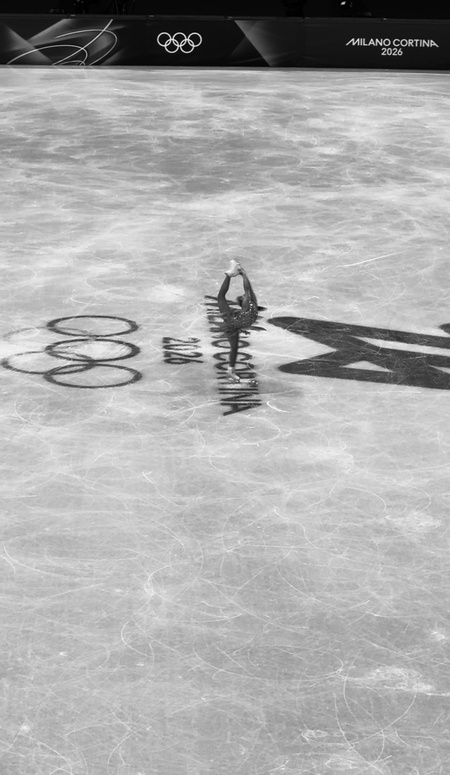
Alysa Liu’s victory was shaped by something rare in Olympic figure skating: the impression of complete freedom under pressure. That is what made it so striking in the arena, and what made it resonate so strongly beyond it. Skating in a shimmering gold dress to MacArthur Park Suite, she delivered a season’s best 150.20 in the free skate and a personal-best total of 226.79, enough to move from third place after the short program to Olympic gold. It was not only a winning skate. It was a historic one, ending a twenty-four-year drought for American women in Olympic figure skating, the first U.S. title in the discipline since Sarah Hughes in Salt Lake City in 2002. Le Monde described it as electrifying, and that word feels accurate. The program had momentum, command, and clarity, but what stood out most was not only the technical content. It was the atmosphere around her while she skated.
Technically, the performance was powerful and complete. Liu landed seven triple jumps, kept the structure of the program intact, and combined difficult content with enough control to overtake both Japanese skaters who performed after her. But the more revealing detail was the quality of presence. She did not skate like someone asking the Olympics to tell her who she was. She skated like someone who had already decided that question for herself. That distinction became one of the central narratives of the event. In the hours that followed, international coverage did not focus only on the score sheet or the comeback in a narrow sporting sense. It kept returning to the same impression: calmness, lightness, freedom, almost a refusal to perform anxiety in the way elite sport so often expects. Olympics.com described her as seeming to float above Olympic pressure, while Liu herself said she felt “peak happiness” on the ice and remained “really calm” even after winning. That matters because Liu had already made clear long before Milan that medals were not the source of her self-worth. In interviews with Olympics.com, she said medals did not validate her, that she chose to return because she wanted to skate again on her own terms, and that artistic control over her programs, music, and process had changed everything. She also explained that after stepping away from competition in 2022, she needed distance, perspective, and a life outside the rink in order to understand herself differently. In that sense, the Olympic title did not create the story. It completed one that was already underway. That philosophy did not make her less competitive. It seems to have made her more dangerous. The Guardian’s reading of her Milan victory is especially interesting on that point: not that she abandoned ambition, but that by releasing the pressure and refusing to build her identity around results, she became freer to perform at the highest level. Even her coaching team echoed that logic, framing the Olympic experience around showing her art rather than obsessing over gold. In a sport where women have so often been shaped by narratives of burnout, control, and early sacrifice, Liu’s victory suggested a different model. She did not become Olympic champion by detaching from excellence. She became Olympic champion by detaching from desperation.
And that is what makes her win feel larger than a score. Her comeback had already challenged the familiar script of women’s skating, the child prodigy, the technical peak, the exhaustion, the collapse, the disappearance. Liu had lived part of that script, then interrupted it. She retired after Beijing 2022, returned in 2024 with a different relationship to the sport, won the world title in 2025, and then the Olympic title in Milan in 2026. Even outside mainstream sports media, that arc was being read as something culturally larger: not just a medal story, but a story about athlete agency, identity, and the possibility that joy might be more than decoration in elite sport. Milan did not simply crown a champion. It confirmed a new model of success.
Technically, the performance was powerful and complete. Liu landed seven triple jumps, kept the structure of the program intact, and combined difficult content with enough control to overtake both Japanese skaters who performed after her. But the more revealing detail was the quality of presence. She did not skate like someone asking the Olympics to tell her who she was. She skated like someone who had already decided that question for herself. That distinction became one of the central narratives of the event. In the hours that followed, international coverage did not focus only on the score sheet or the comeback in a narrow sporting sense. It kept returning to the same impression: calmness, lightness, freedom, almost a refusal to perform anxiety in the way elite sport so often expects. Olympics.com described her as seeming to float above Olympic pressure, while Liu herself said she felt “peak happiness” on the ice and remained “really calm” even after winning. That matters because Liu had already made clear long before Milan that medals were not the source of her self-worth. In interviews with Olympics.com, she said medals did not validate her, that she chose to return because she wanted to skate again on her own terms, and that artistic control over her programs, music, and process had changed everything. She also explained that after stepping away from competition in 2022, she needed distance, perspective, and a life outside the rink in order to understand herself differently. In that sense, the Olympic title did not create the story. It completed one that was already underway. That philosophy did not make her less competitive. It seems to have made her more dangerous. The Guardian’s reading of her Milan victory is especially interesting on that point: not that she abandoned ambition, but that by releasing the pressure and refusing to build her identity around results, she became freer to perform at the highest level. Even her coaching team echoed that logic, framing the Olympic experience around showing her art rather than obsessing over gold. In a sport where women have so often been shaped by narratives of burnout, control, and early sacrifice, Liu’s victory suggested a different model. She did not become Olympic champion by detaching from excellence. She became Olympic champion by detaching from desperation.
And that is what makes her win feel larger than a score. Her comeback had already challenged the familiar script of women’s skating, the child prodigy, the technical peak, the exhaustion, the collapse, the disappearance. Liu had lived part of that script, then interrupted it. She retired after Beijing 2022, returned in 2024 with a different relationship to the sport, won the world title in 2025, and then the Olympic title in Milan in 2026. Even outside mainstream sports media, that arc was being read as something culturally larger: not just a medal story, but a story about athlete agency, identity, and the possibility that joy might be more than decoration in elite sport. Milan did not simply crown a champion. It confirmed a new model of success.
Fact 3 — The Podium Reflected the Different Paths to Olympic Success

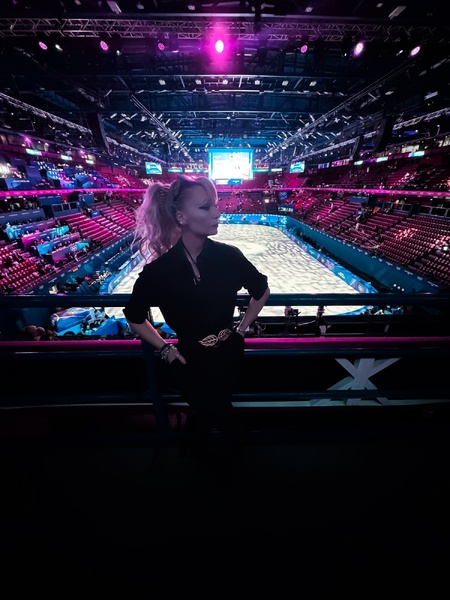
Olympic titles emerge within the collective performance of an entire field. Even the most commanding program unfolds alongside other athletes bringing their own strengths, styles, and strategies to the ice. In Milan, Alysa Liu’s victory ultimately rose above the field, yet the final standings also revealed how differently the skaters approached the same four-minute test. The women’s free skate did not simply confirm the short program. It expanded the competition, allowing each athlete’s technical choices, interpretation, and composure to reshape the hierarchy in real time.
Kaori Sakamoto, one of the defining champions of the past Olympic cycle, once again demonstrated why she has remained such a central figure in modern women’s skating. Skating after Liu, she delivered a powerful program marked by the speed and edge quality that have long defined her skating style. Her interpretation, set to a dramatic version of Non, je ne regrette rien, carried the intensity and authority of an athlete accustomed to the highest stage. With 147.67 in the free skate and 224.90 overall, she secured the silver medal, adding another Olympic podium to a career that has already included multiple world titles and nearly a decade among the sport’s most consistent competitors. In Milan, her performance once again reflected the competitive durability that has defined her era. The other half of the podium told a different story, one of emergence. Seventeen-year-old Ami Nakai had entered the free skate as the unexpected leader after the short program, and the weight of that position could easily have reshaped the evening. Instead, she approached the final with a composure that belied her age. Early in her program she landed a triple Axel, still one of the rarest elements successfully executed by women in Olympic competition. The jump immediately confirmed the technical ambition that had placed her in contention and reminded the audience that the new generation of skaters is arriving with increasingly complex layouts. Although the free skate ultimately reshaped the standings, Nakai’s combined score of 219.16 secured the bronze medal and marked one of the most striking breakthroughs of the competition. At seventeen, her Olympic debut signaled that a new technical and artistic presence had entered the discipline. The final also illustrated the expanding technical horizon of women’s figure skating. Adeliia Petrosian arrived in Milan as one of the few athletes planning to incorporate quadruple jumps into her Olympic program, a level of difficulty that remains rare in the women’s field. Her attempt did not fully succeed on the night, yet the broader structure of her program remained composed and competitive. By maintaining the rest of her layout with control and efficiency, she remained among the strongest skaters of the evening and ultimately finished within the top group of the final standings. Even without a clean quad, the attempt itself reflected an ongoing shift in the discipline, where the technical ceiling continues to rise as athletes explore new boundaries of difficulty. Another performance that reshaped the narrative of the final came from American skater Amber Glenn. Entering the free skate in thirteenth place after the short program, she faced the difficult position of needing both precision and resilience to move back into contention. Her response became one of the most notable climbs of the evening. Opening her program with a triple Axel, Glenn maintained energy and commitment throughout the rest of her layout, delivering a season’s best 147.52 in the free skate. With a total of 214.91 points, she rose to fifth place overall. Her performance illustrated another dimension of the Olympic free skate: its capacity to reward perseverance and competitive instinct even after a difficult start to the event.
Taken together, the podium and the final rankings revealed the many ways success can appear on Olympic ice. Liu’s victory embodied freedom and composure under pressure. Sakamoto’s silver reflected sustained excellence across an entire Olympic cycle. Nakai’s bronze announced the arrival of a new generation capable of combining technical ambition with remarkable calm on the sport’s largest stage. Around them, skaters like Petrosian and Glenn demonstrated how evolving technical standards and competitive resilience continue to shape the future of the discipline. The atmosphere surrounding the podium also reflected something else: a visible sense of respect and joy shared among the athletes themselves. After the final scores were announced, Alysa Liu rushed across the ice to celebrate with Ami Nakai in a spontaneous embrace that quickly circulated across social media. Later, Liu explained that she had simply wanted to celebrate Nakai’s moment as well, noting how happy the Japanese skater looked on the ice. The gesture became one of the most widely shared images of the event, a small but meaningful reminder that Olympic competition can also leave space for generosity between rivals. Milan therefore did not produce a single narrative of victory. It revealed a field in motion, where established champions, emerging talents, ambitious technicians, and moments of genuine sportsmanship shared the same stage, each contributing to the continuing evolution of women’s figure skating.
Kaori Sakamoto, one of the defining champions of the past Olympic cycle, once again demonstrated why she has remained such a central figure in modern women’s skating. Skating after Liu, she delivered a powerful program marked by the speed and edge quality that have long defined her skating style. Her interpretation, set to a dramatic version of Non, je ne regrette rien, carried the intensity and authority of an athlete accustomed to the highest stage. With 147.67 in the free skate and 224.90 overall, she secured the silver medal, adding another Olympic podium to a career that has already included multiple world titles and nearly a decade among the sport’s most consistent competitors. In Milan, her performance once again reflected the competitive durability that has defined her era. The other half of the podium told a different story, one of emergence. Seventeen-year-old Ami Nakai had entered the free skate as the unexpected leader after the short program, and the weight of that position could easily have reshaped the evening. Instead, she approached the final with a composure that belied her age. Early in her program she landed a triple Axel, still one of the rarest elements successfully executed by women in Olympic competition. The jump immediately confirmed the technical ambition that had placed her in contention and reminded the audience that the new generation of skaters is arriving with increasingly complex layouts. Although the free skate ultimately reshaped the standings, Nakai’s combined score of 219.16 secured the bronze medal and marked one of the most striking breakthroughs of the competition. At seventeen, her Olympic debut signaled that a new technical and artistic presence had entered the discipline. The final also illustrated the expanding technical horizon of women’s figure skating. Adeliia Petrosian arrived in Milan as one of the few athletes planning to incorporate quadruple jumps into her Olympic program, a level of difficulty that remains rare in the women’s field. Her attempt did not fully succeed on the night, yet the broader structure of her program remained composed and competitive. By maintaining the rest of her layout with control and efficiency, she remained among the strongest skaters of the evening and ultimately finished within the top group of the final standings. Even without a clean quad, the attempt itself reflected an ongoing shift in the discipline, where the technical ceiling continues to rise as athletes explore new boundaries of difficulty. Another performance that reshaped the narrative of the final came from American skater Amber Glenn. Entering the free skate in thirteenth place after the short program, she faced the difficult position of needing both precision and resilience to move back into contention. Her response became one of the most notable climbs of the evening. Opening her program with a triple Axel, Glenn maintained energy and commitment throughout the rest of her layout, delivering a season’s best 147.52 in the free skate. With a total of 214.91 points, she rose to fifth place overall. Her performance illustrated another dimension of the Olympic free skate: its capacity to reward perseverance and competitive instinct even after a difficult start to the event.
Taken together, the podium and the final rankings revealed the many ways success can appear on Olympic ice. Liu’s victory embodied freedom and composure under pressure. Sakamoto’s silver reflected sustained excellence across an entire Olympic cycle. Nakai’s bronze announced the arrival of a new generation capable of combining technical ambition with remarkable calm on the sport’s largest stage. Around them, skaters like Petrosian and Glenn demonstrated how evolving technical standards and competitive resilience continue to shape the future of the discipline. The atmosphere surrounding the podium also reflected something else: a visible sense of respect and joy shared among the athletes themselves. After the final scores were announced, Alysa Liu rushed across the ice to celebrate with Ami Nakai in a spontaneous embrace that quickly circulated across social media. Later, Liu explained that she had simply wanted to celebrate Nakai’s moment as well, noting how happy the Japanese skater looked on the ice. The gesture became one of the most widely shared images of the event, a small but meaningful reminder that Olympic competition can also leave space for generosity between rivals. Milan therefore did not produce a single narrative of victory. It revealed a field in motion, where established champions, emerging talents, ambitious technicians, and moments of genuine sportsmanship shared the same stage, each contributing to the continuing evolution of women’s figure skating.
Fact 4 — Kaori Sakamoto, Skating the End of an Era

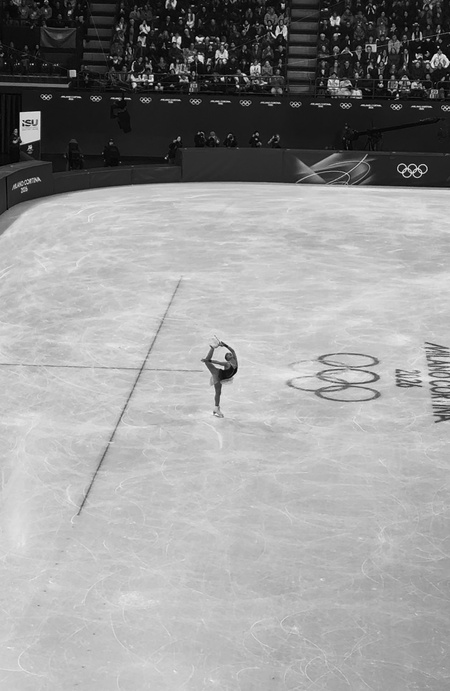
Some skaters arrive at the Olympics chasing a breakthrough. Others arrive carrying the weight, and the beauty, of everything they have already built. That was Kaori Sakamoto in Milan. By the time she stepped onto the ice at these Games, she was no longer simply one of the contenders in the women’s field. She was already one of the defining faces of modern women’s figure skating: Olympic bronze medalist in Beijing in 2022, three-time world champion from 2022 to 2024, six-time Japanese national champion, and one of the rare skaters of this era to remain at the absolute top across multiple seasons and Olympic cycles.
And that is precisely what made her presence in Milan feel different. In a sport that moves fast, where young stars rise quickly and the hierarchy can change in a season, Kaori has represented something much rarer: continuity. Not just longevity, but authority. The kind built over years. You see it in the speed. In the edges. In the power of her takeoffs. In the way she covers the ice without ever looking rushed. Kaori Sakamoto does not skate like someone trying to become convincing. She has long since passed that stage. She skates like someone who knows exactly who she is. That is why Milan carried the feeling of a closing chapter. Sakamoto had already indicated that these would be her final Olympic Games, and several reports around the competition framed the event that way: not simply as another Olympic appearance, but as the last Olympic act of one of the major women of this generation. Even her short program music, Time to Say Goodbye, made that impossible to ignore. It was subtle, but not accidental. The music choice gave the moment the quiet elegance of a farewell already understood before it was officially spoken. And yet what made her so compelling in Milan was that this was never a ceremonial goodbye. She was still very much in the fight. After the short program, she sat only 1.48 points behind Ami Nakai and ahead of Alysa Liu, perfectly placed for one final run at the Olympic title that had escaped her in 2018 and 2022. In that sense, the tension around her was almost cinematic. This was not only a legend returning one last time. This was a legend still capable of winning. Her skating reflected exactly that balance between maturity and competitiveness. In the short program, she did not rely on the most aggressive technical gamble in the field. Instead, she leaned into the qualities that have made her indispensable to this sport for years. The speed through the step sequence. The openness of the skating. The security of the jumps. The sense that every movement belongs to one same body of work, one same identity. It is one of the reasons her skating has always mattered beyond the protocols. With Kaori, the performance is never only about whether the boxes are checked. It is about the force of presence. Then came the free skate, and with it, the part of elite sport that is never glamorous from the inside, only dramatic from the outside. Skating to Non, je ne regrette rien, Sakamoto delivered a powerful performance marked by her usual attack and command, but one missing combination proved decisive. She later said herself that the points lost there were exactly the margin that cost her the gold. She finished with 224.90 overall, 1.89 points behind Alysa Liu, and left the ice knowing before the scores even arrived that the title had slipped away. What followed was perhaps one of the most human moments of the event. There was no polished language of noble defeat, no easy smile for the cameras. Sakamoto said openly that she had been aiming for gold, that the frustration was unbearable, and that she had imagined ending with a smile but instead would leave with this feeling, one she said would remain important for the rest of her life. It was a striking thing to hear, and also a very honest one. Because that is the truth about great competitors: silver can still hurt when gold was within reach. And still, the scale of her legacy in Milan cannot be reduced to those missing points. If anything, the frustration only sharpened the meaning of what she has built. Sakamoto leaves the Olympic stage with four Olympic medals in total, including individual bronze in Beijing and silver in Milan, plus team silvers, and as one of the most decorated women in Japanese figure skating history. NBC rightly noted that she does not need Olympic gold to cement her legacy. That legacy is already there, in the medals, of course, but also in the style, the consistency, and the place she has held in the sport for nearly a decade.
What makes this moment even more poignant is that Milan is not quite the final page. According to reports after the event, the World Championships will be her final competition. So this Olympic silver now sits in a strange and moving position. It is both an ending and not yet the ending. The last Olympic portrait, but not the last competitive one. One more appearance remains before the career closes fully. There is also something deeply meaningful in the way her final Olympic chapter unfolded alongside the rise of the next Japanese generation. Ami Nakai took bronze. Mone Chiba finished fourth. Both spoke with admiration about her. Nakai, especially, made clear how much sharing that podium with Sakamoto meant to her. That detail matters. Because Kaori’s legacy is not only individual. It also lives in transmission. In what younger skaters have seen in her. In the standard she has embodied. In the proof that power, edge quality, expressiveness, and longevity can all live in the same career. So yes, Milan crowned Alysa Liu. It introduced Ami Nakai to the Olympic podium. But it also offered something else, something quieter and maybe more lasting: the sight of Kaori Sakamoto skating at the edge of farewell, still powerful, still beautiful, still close enough to gold for the loss to sting. Not the fairytale ending she wanted, perhaps. But certainly the kind of final Olympic chapter only a true era-defining skater could leave behind.
And that is precisely what made her presence in Milan feel different. In a sport that moves fast, where young stars rise quickly and the hierarchy can change in a season, Kaori has represented something much rarer: continuity. Not just longevity, but authority. The kind built over years. You see it in the speed. In the edges. In the power of her takeoffs. In the way she covers the ice without ever looking rushed. Kaori Sakamoto does not skate like someone trying to become convincing. She has long since passed that stage. She skates like someone who knows exactly who she is. That is why Milan carried the feeling of a closing chapter. Sakamoto had already indicated that these would be her final Olympic Games, and several reports around the competition framed the event that way: not simply as another Olympic appearance, but as the last Olympic act of one of the major women of this generation. Even her short program music, Time to Say Goodbye, made that impossible to ignore. It was subtle, but not accidental. The music choice gave the moment the quiet elegance of a farewell already understood before it was officially spoken. And yet what made her so compelling in Milan was that this was never a ceremonial goodbye. She was still very much in the fight. After the short program, she sat only 1.48 points behind Ami Nakai and ahead of Alysa Liu, perfectly placed for one final run at the Olympic title that had escaped her in 2018 and 2022. In that sense, the tension around her was almost cinematic. This was not only a legend returning one last time. This was a legend still capable of winning. Her skating reflected exactly that balance between maturity and competitiveness. In the short program, she did not rely on the most aggressive technical gamble in the field. Instead, she leaned into the qualities that have made her indispensable to this sport for years. The speed through the step sequence. The openness of the skating. The security of the jumps. The sense that every movement belongs to one same body of work, one same identity. It is one of the reasons her skating has always mattered beyond the protocols. With Kaori, the performance is never only about whether the boxes are checked. It is about the force of presence. Then came the free skate, and with it, the part of elite sport that is never glamorous from the inside, only dramatic from the outside. Skating to Non, je ne regrette rien, Sakamoto delivered a powerful performance marked by her usual attack and command, but one missing combination proved decisive. She later said herself that the points lost there were exactly the margin that cost her the gold. She finished with 224.90 overall, 1.89 points behind Alysa Liu, and left the ice knowing before the scores even arrived that the title had slipped away. What followed was perhaps one of the most human moments of the event. There was no polished language of noble defeat, no easy smile for the cameras. Sakamoto said openly that she had been aiming for gold, that the frustration was unbearable, and that she had imagined ending with a smile but instead would leave with this feeling, one she said would remain important for the rest of her life. It was a striking thing to hear, and also a very honest one. Because that is the truth about great competitors: silver can still hurt when gold was within reach. And still, the scale of her legacy in Milan cannot be reduced to those missing points. If anything, the frustration only sharpened the meaning of what she has built. Sakamoto leaves the Olympic stage with four Olympic medals in total, including individual bronze in Beijing and silver in Milan, plus team silvers, and as one of the most decorated women in Japanese figure skating history. NBC rightly noted that she does not need Olympic gold to cement her legacy. That legacy is already there, in the medals, of course, but also in the style, the consistency, and the place she has held in the sport for nearly a decade.
What makes this moment even more poignant is that Milan is not quite the final page. According to reports after the event, the World Championships will be her final competition. So this Olympic silver now sits in a strange and moving position. It is both an ending and not yet the ending. The last Olympic portrait, but not the last competitive one. One more appearance remains before the career closes fully. There is also something deeply meaningful in the way her final Olympic chapter unfolded alongside the rise of the next Japanese generation. Ami Nakai took bronze. Mone Chiba finished fourth. Both spoke with admiration about her. Nakai, especially, made clear how much sharing that podium with Sakamoto meant to her. That detail matters. Because Kaori’s legacy is not only individual. It also lives in transmission. In what younger skaters have seen in her. In the standard she has embodied. In the proof that power, edge quality, expressiveness, and longevity can all live in the same career. So yes, Milan crowned Alysa Liu. It introduced Ami Nakai to the Olympic podium. But it also offered something else, something quieter and maybe more lasting: the sight of Kaori Sakamoto skating at the edge of farewell, still powerful, still beautiful, still close enough to gold for the loss to sting. Not the fairytale ending she wanted, perhaps. But certainly the kind of final Olympic chapter only a true era-defining skater could leave behind.
Fact 5 — The Real Moral of Milan May Be This: Joy Is Not the Opposite of Performance, It Is Sometimes the Source of It


For years, elite figure skating has often been framed through severity. Discipline. Sacrifice. Pressure. The long-standing narrative that struggle defines seriousness. Alysa Liu’s gold medal complicates that story in the most important way. She did not arrive in Milan speaking the language of obsession or validation. She arrived speaking the language of authorship. She chose to come back. She chose the direction of her skating. She chose what it meant again. And when the biggest night came, she looked like one of the least burdened people in the building. That does not mean the Olympics were easy. It means freedom can be a competitive advantage.
Fun is often dismissed as softness, as if joy were incompatible with rigor. Milan suggested the opposite. Joy can stabilize. Joy can reduce fear. Joy can unlock timing. Joy can let a skater stay inside the choreography instead of skating in defense against disaster. When Liu said she was “peak happiness” on the ice and when her coach framed the Games around enjoying the skate rather than chasing gold, those were not decorative remarks after the fact. They were the competitive structure of the victory itself. What made this particularly striking is that the reaction extended far beyond the arena. In the hours and days following the final, the conversation around Liu’s win was not limited to the protocol sheet or the technical layout. Media coverage, commentators, and many athletes themselves returned again and again to the same idea: the atmosphere around her skating felt different. Instead of the familiar narrative of Olympic tension and visible strain, Liu projected a kind of ease that rarely appears on the sport’s most pressurized stage. It was not indifference. It was clarity. The moment that perhaps captured that shift best came not during the program, but immediately after the results were announced. As the scores confirmed that she had won Olympic gold and that Japan’s Ami Nakai had secured bronze in her first Games, Liu crossed the rink to celebrate with her. The hug between them quickly circulated across social media and sports coverage around the world. It was a spontaneous moment, but it resonated because it embodied exactly what her skating had already suggested. Competition and joy did not cancel each other out. They could exist in the same space. Liu later explained that she simply wanted to celebrate Nakai’s happiness, saying she could see how much the young Japanese skater loved being on the ice. That instinctive reaction transformed a simple embrace into one of the most widely shared images of the women’s event. In a discipline often portrayed through rivalry and pressure, the image of two medalists laughing and celebrating together offered a different portrait of the sport. That moment also echoed another gesture that viewers remembered: Amber Glenn stepping in earlier in the event to shield Kaori Sakamoto from cameras while the Japanese champion processed the disappointment of narrowly missing gold. These were small actions, but together they formed a pattern.
The women’s competition in Milan was not only about technical progression or Olympic hierarchy. It was also marked by an unusual visibility of empathy between competitors. In that sense, Liu’s victory did not stand apart from the rest of the event. It reflected a broader tone that emerged across the field. The women skating in Milan were still pushing the technical limits of the discipline, triple Axels, quad attempts, increasingly complex layouts. But alongside that ambition was another visible change: athletes speaking openly about enjoyment, balance, and self-definition within the sport. And perhaps that is the deeper lesson of the women’s event as a whole. Not that the sport has become less difficult. It has not. Not that ambition has disappeared. It has not. But that the highest performance may appear when the athlete is no longer trapped inside performance as a form of self-erasure. Alysa Liu did not skate like someone trying to prove that she deserved the Olympic stage. She skated like someone who had already decided that she belonged there.
Fun is often dismissed as softness, as if joy were incompatible with rigor. Milan suggested the opposite. Joy can stabilize. Joy can reduce fear. Joy can unlock timing. Joy can let a skater stay inside the choreography instead of skating in defense against disaster. When Liu said she was “peak happiness” on the ice and when her coach framed the Games around enjoying the skate rather than chasing gold, those were not decorative remarks after the fact. They were the competitive structure of the victory itself. What made this particularly striking is that the reaction extended far beyond the arena. In the hours and days following the final, the conversation around Liu’s win was not limited to the protocol sheet or the technical layout. Media coverage, commentators, and many athletes themselves returned again and again to the same idea: the atmosphere around her skating felt different. Instead of the familiar narrative of Olympic tension and visible strain, Liu projected a kind of ease that rarely appears on the sport’s most pressurized stage. It was not indifference. It was clarity. The moment that perhaps captured that shift best came not during the program, but immediately after the results were announced. As the scores confirmed that she had won Olympic gold and that Japan’s Ami Nakai had secured bronze in her first Games, Liu crossed the rink to celebrate with her. The hug between them quickly circulated across social media and sports coverage around the world. It was a spontaneous moment, but it resonated because it embodied exactly what her skating had already suggested. Competition and joy did not cancel each other out. They could exist in the same space. Liu later explained that she simply wanted to celebrate Nakai’s happiness, saying she could see how much the young Japanese skater loved being on the ice. That instinctive reaction transformed a simple embrace into one of the most widely shared images of the women’s event. In a discipline often portrayed through rivalry and pressure, the image of two medalists laughing and celebrating together offered a different portrait of the sport. That moment also echoed another gesture that viewers remembered: Amber Glenn stepping in earlier in the event to shield Kaori Sakamoto from cameras while the Japanese champion processed the disappointment of narrowly missing gold. These were small actions, but together they formed a pattern.
The women’s competition in Milan was not only about technical progression or Olympic hierarchy. It was also marked by an unusual visibility of empathy between competitors. In that sense, Liu’s victory did not stand apart from the rest of the event. It reflected a broader tone that emerged across the field. The women skating in Milan were still pushing the technical limits of the discipline, triple Axels, quad attempts, increasingly complex layouts. But alongside that ambition was another visible change: athletes speaking openly about enjoyment, balance, and self-definition within the sport. And perhaps that is the deeper lesson of the women’s event as a whole. Not that the sport has become less difficult. It has not. Not that ambition has disappeared. It has not. But that the highest performance may appear when the athlete is no longer trapped inside performance as a form of self-erasure. Alysa Liu did not skate like someone trying to prove that she deserved the Olympic stage. She skated like someone who had already decided that she belonged there.
Leaving the Milano Ice Skating Arena that night, I felt the quiet intensity that only the Olympics seem to create. Inside the arena, time had felt strangely compressed. Four minutes of skating could pass in what felt like seconds, yet every element carried a weight that filled the entire building. Sitting in the stands, you could feel the rhythm of the competition through the crowd itself, the silence before a jump, the collective reaction after a landing, the subtle shift in energy as each skater stepped onto the ice. Watching the women’s free skate live offered a completely different perspective than seeing it on a screen. From the arena, the scale of the moment becomes tangible. The speed across the ice, the sound of the blades cutting into the surface, the way the programs unfold across the full width of the rink. The venue itself seemed to vibrate with attention, every seat filled, every performance met with remarkable focus and support from the audience. Applause followed clean elements, gasps rose together after difficult landings, and the cheers that filled the arena after strong performances created an atmosphere that was both intense and deeply supportive. What stayed with me most was the feeling of being present inside that moment. The arena lights reflecting on the ice, the flags scattered across the stands, the sense that thousands of spectators from different countries were sharing the same anticipation at the same time. The audience was extraordinary, fully engaged in every program, celebrating the skaters with warmth and enthusiasm that gave the entire evening a special energy. For those hours, the outside world seemed suspended while the competition unfolded. The programs were over, the medals had been awarded, yet the energy of the evening still lingered. It was one of those Olympic nights where the experience of witnessing it live becomes as memorable as the result itself.